
parent resources
How Summer Camp Builds Confidence in Children: What Six Weeks Changed
Parents are told camp builds confidence. Almost nobody shows the mechanism. Here is what actually changed in our campers over six weeks, why it works, and how to tell whether a camp will do it for your child.
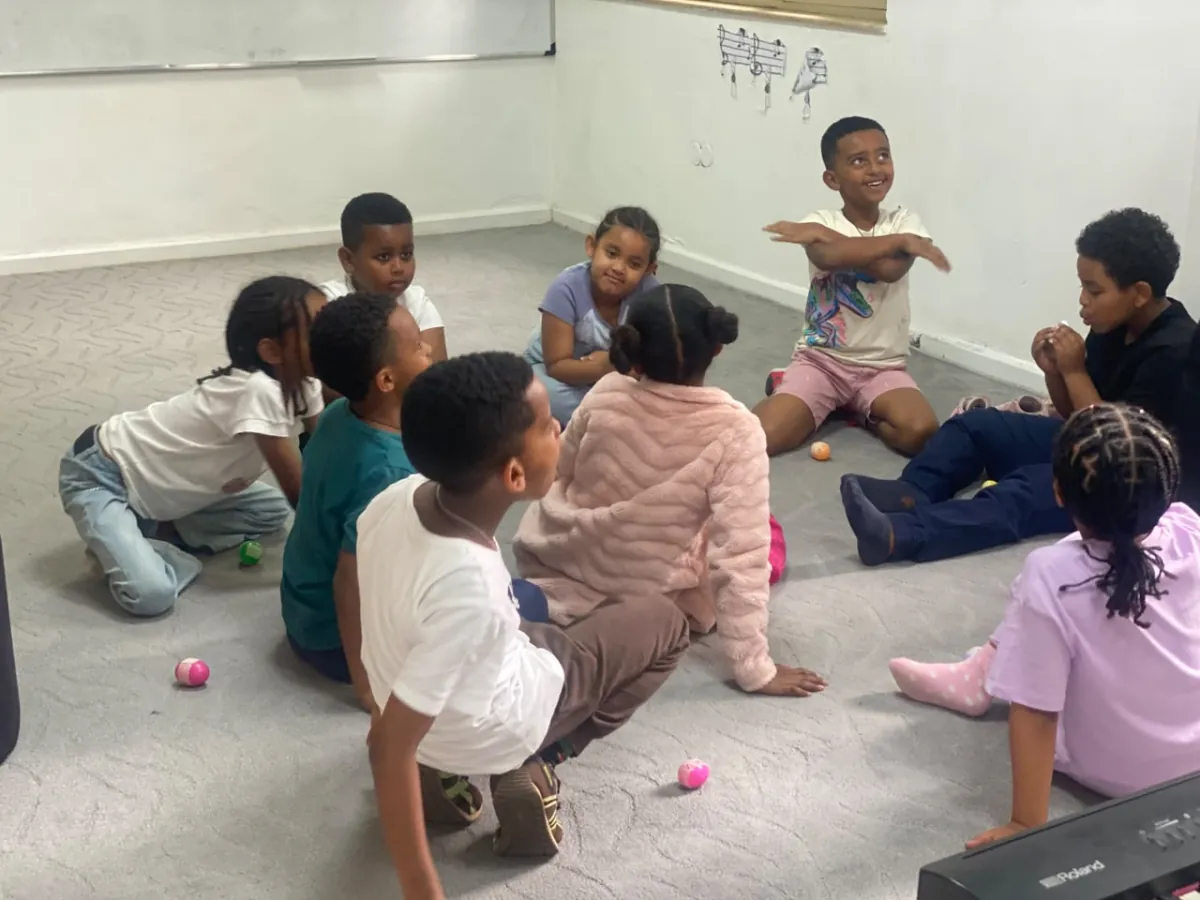
Ask any camp what it gives your child and you will hear confidence. It is true, and it is almost never explained, which makes it sound like marketing. It is not. Confidence has a mechanism, and you can watch it happen.
We photographed six weeks of it. Here is what changed, and why.
Confidence comes from doing, not from praise
Children do not become confident because adults tell them they are good. They become confident when they attempt something with a real chance of failing, fail, try again and succeed. Psychologists call it a mastery experience. Camp is unusually good at producing them because the stakes are genuine but nothing is graded.
A missed kick, a robot that drives into a wall, a chord that will not ring: each is a small, survivable failure with a visible fix. School rarely offers that many in a day.
The quiet ones need a structure, not encouragement
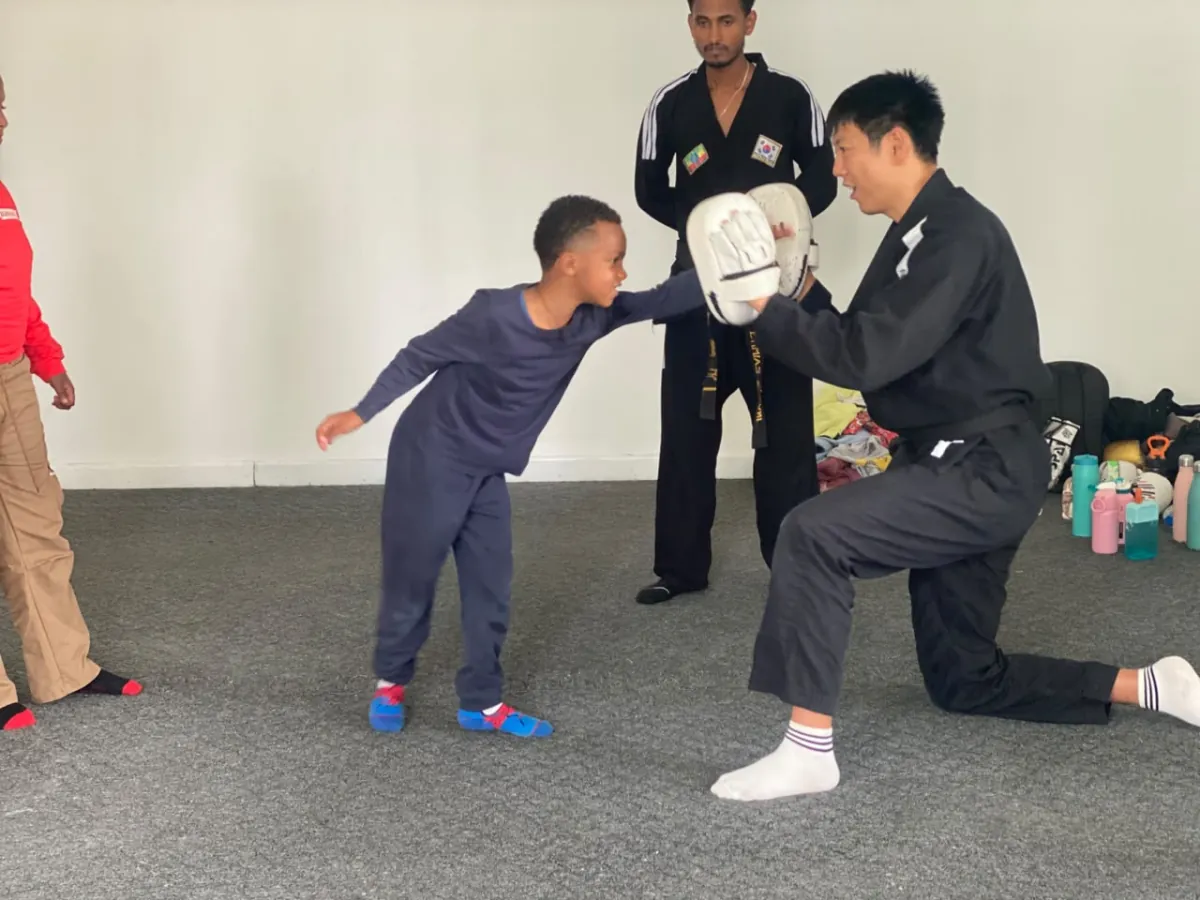
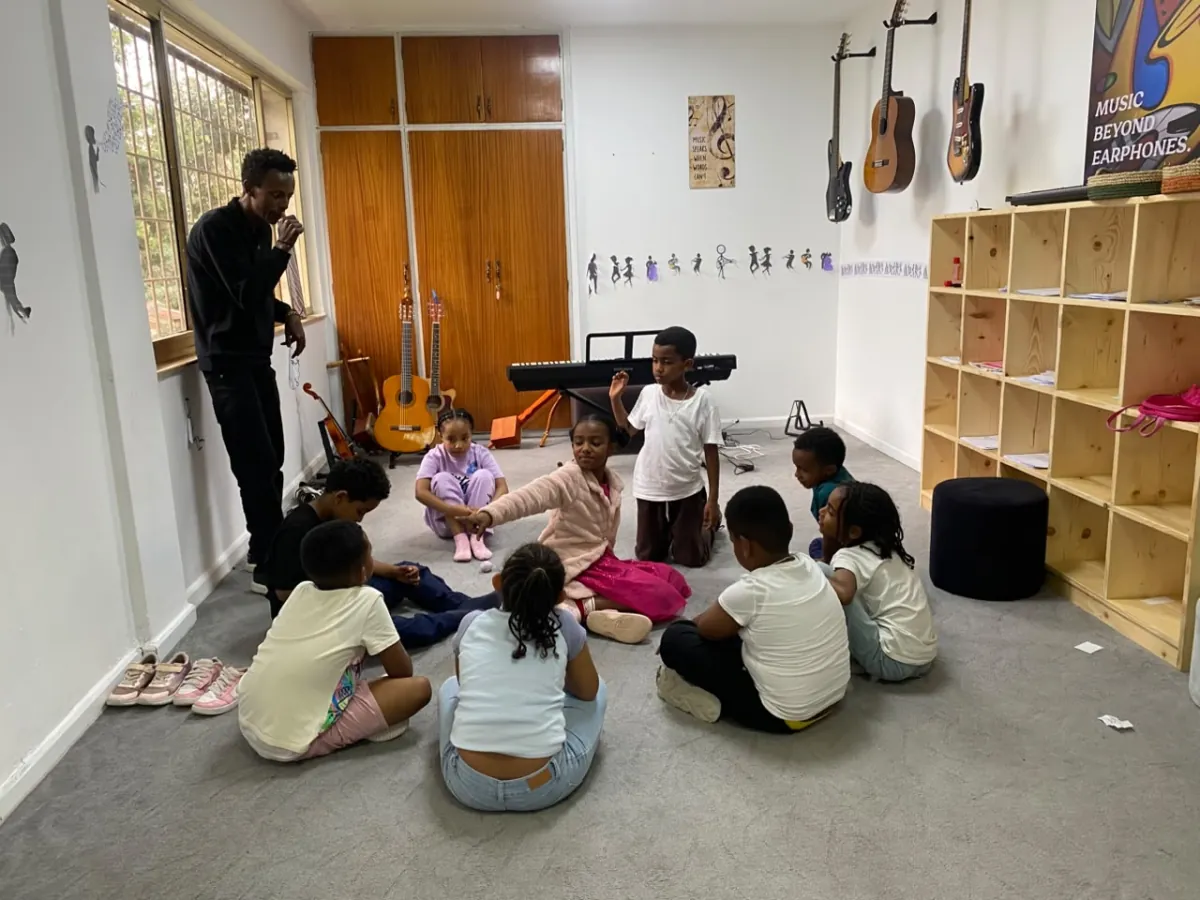
The children who arrive shy do not respond to being told to join in. They respond to activities with a defined role, where taking part does not require improvising socially. Taekwondo lines, music parts and robotics pairs all do this. The child has a place to stand and a job to do, and participation happens as a side effect.
By week three the same children were volunteering. That is the sequence: structure, then participation, then volunteering. Skipping to the last step does not work.
Performing in front of others is the accelerator
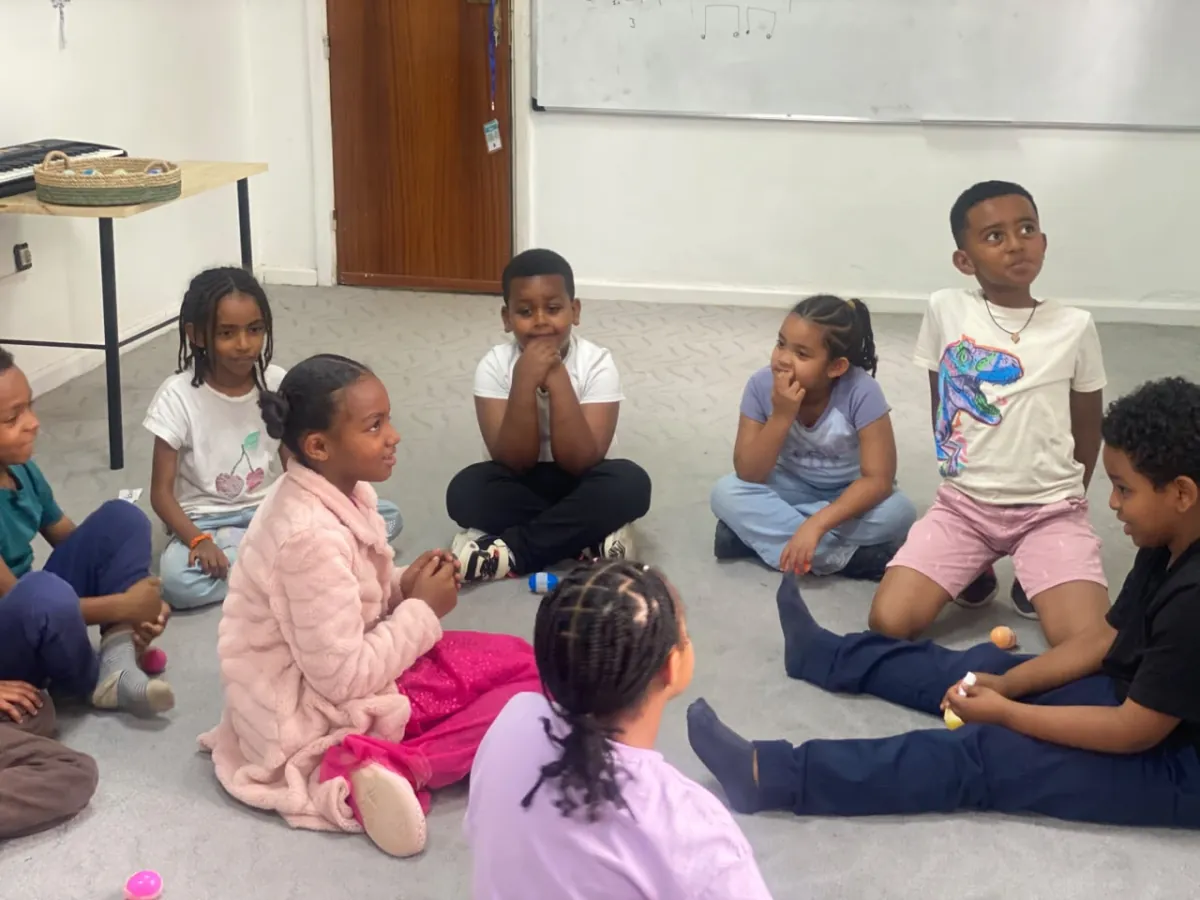
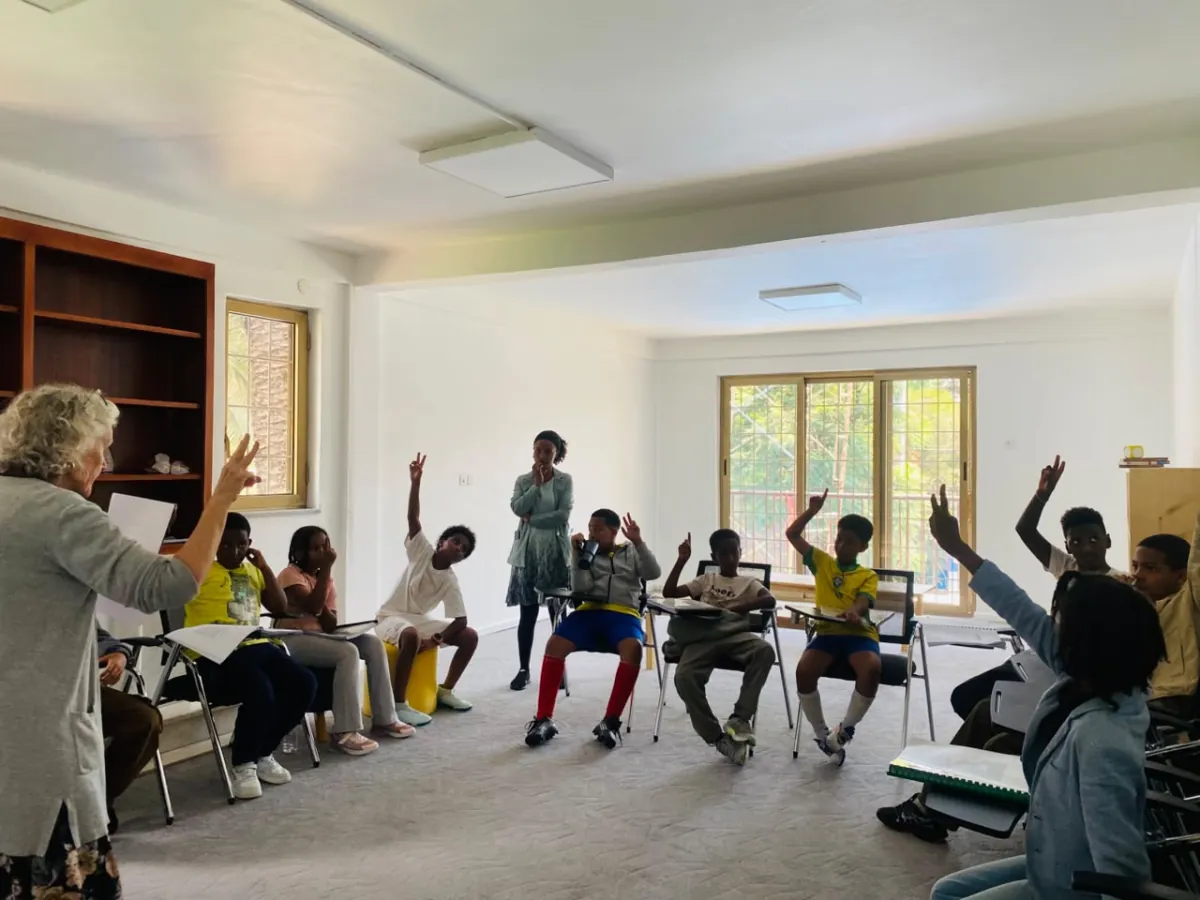
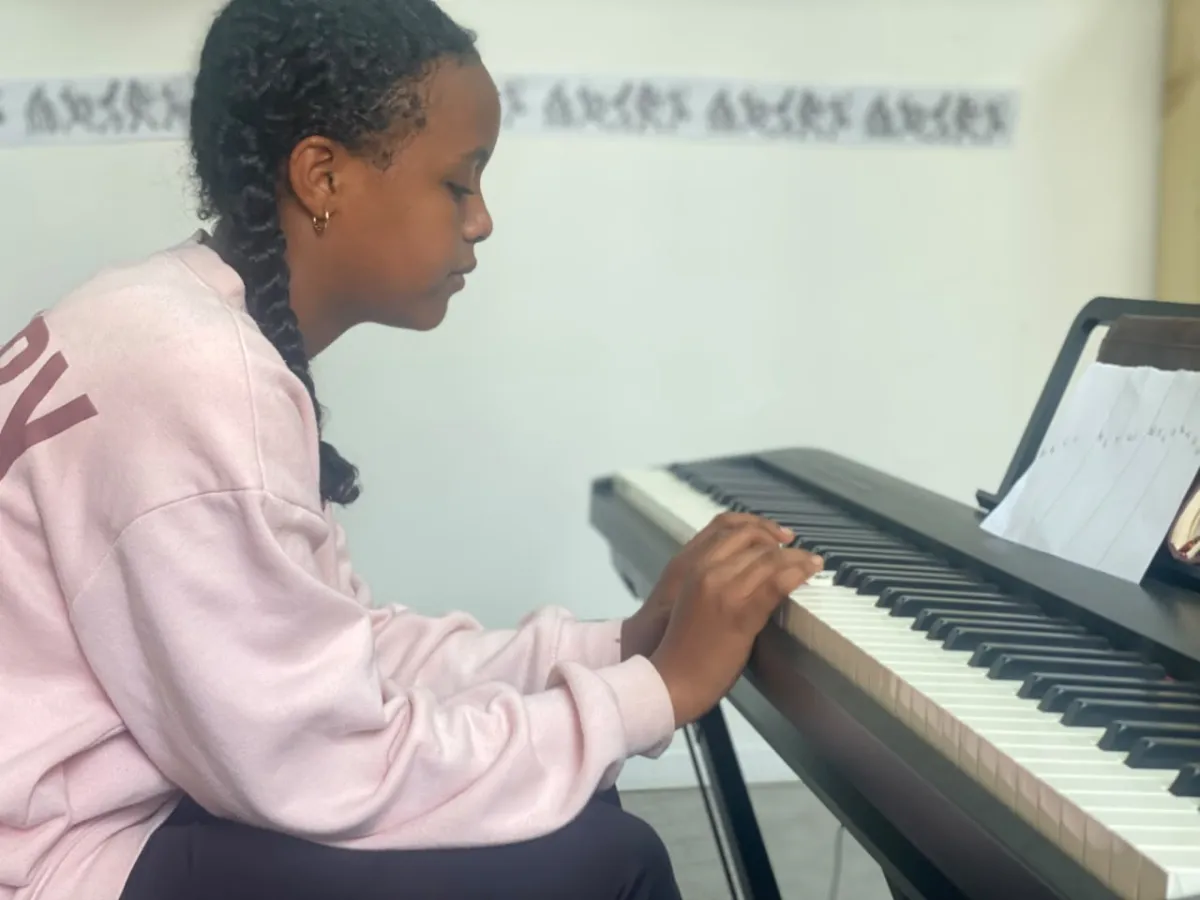
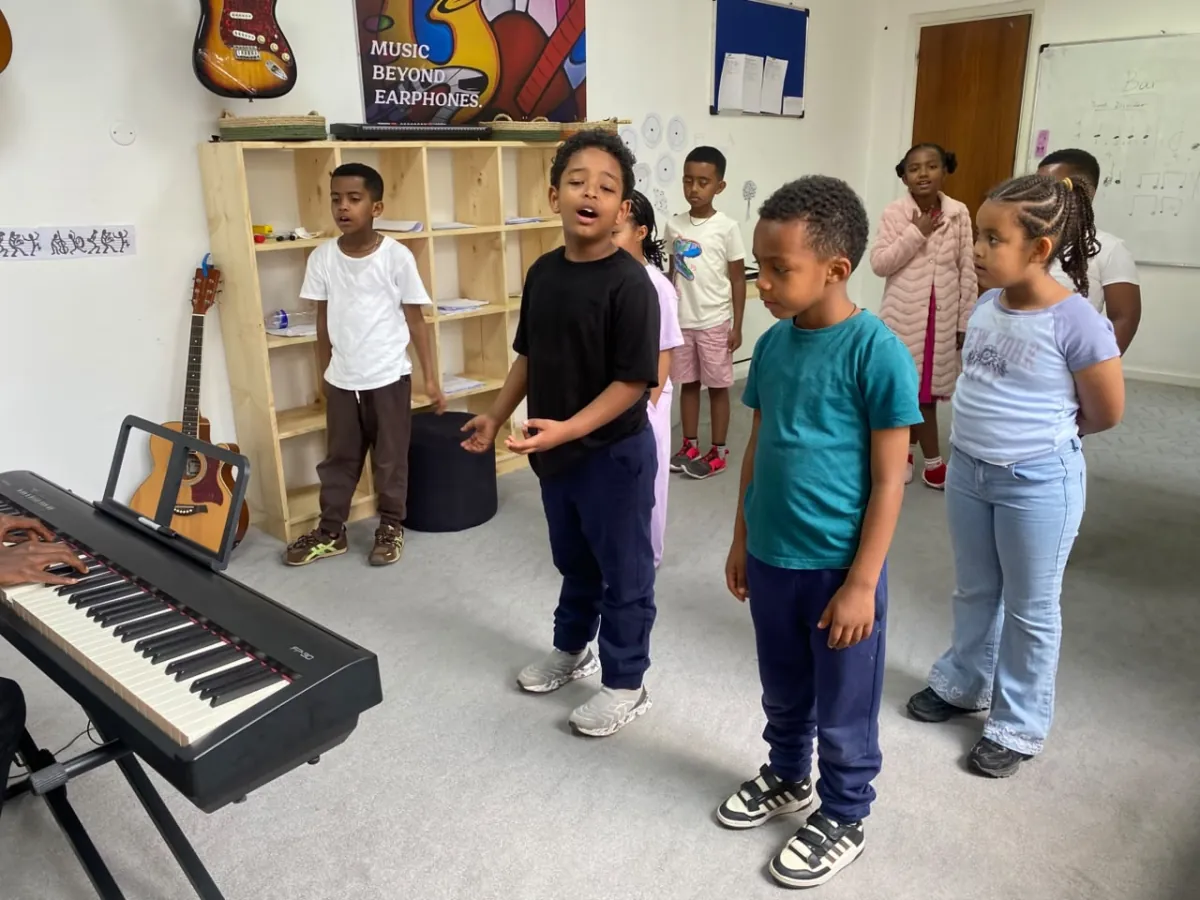
The biggest single jump came from music. A child who plays a keyboard line in front of the group, or sings in the choir, has done the thing most adults still avoid. It transfers. Campers who performed were noticeably more willing to speak up in unrelated activities the following week.
Leading younger children is the proof
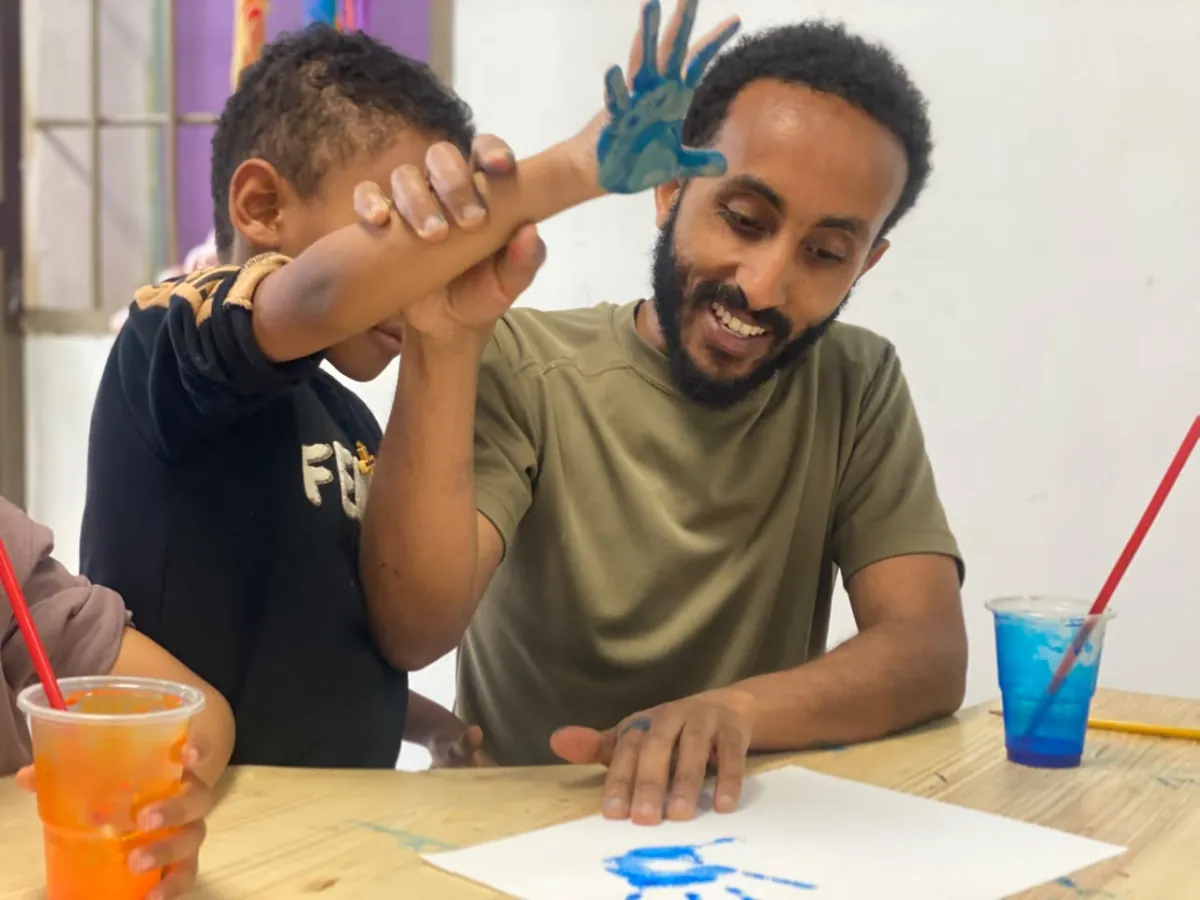
The clearest sign a child has gained confidence is not that they speak more. It is that they help someone smaller. In the last fortnight campers began explaining their builds to younger children, holding kit steady for a partner and running warm-ups. Helping requires believing you know something, which is confidence in its most useful form.
How to tell whether a camp will do this
- Are there activities where a child can visibly fail and retry in the same session?
- Is there a moment each week when a child performs or presents to the group?
- Do older campers get given responsibility for younger ones?
- Are the adults specialists who can teach the fix, or supervisors who can only encourage?
- Does the camp run long enough for the sequence to happen? Confidence took three weeks, not three days.
See it for yourself
Nucleus Summer Camp runs across two secure Addis Ababa campuses for ages 4 to 14. The weekly issues below document the whole thing, photograph by photograph, including the children who arrived silent.