parent resources
Robotics and Coding for Kids in Addis Ababa: What It Actually Looks Like
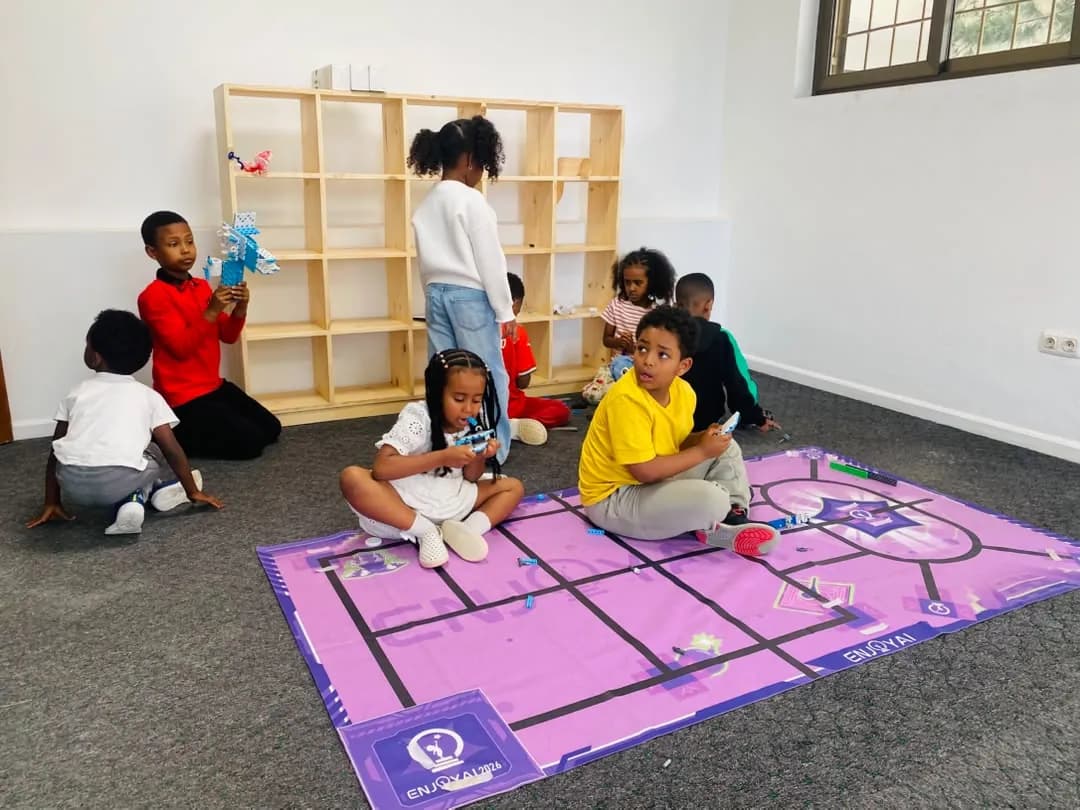
Robotics and coding classes for children are spreading across Addis Ababa, and the quality varies enormously. Here is what real robotics teaching looks like at primary age, what to ask before you enrol, and photographs of children doing it.
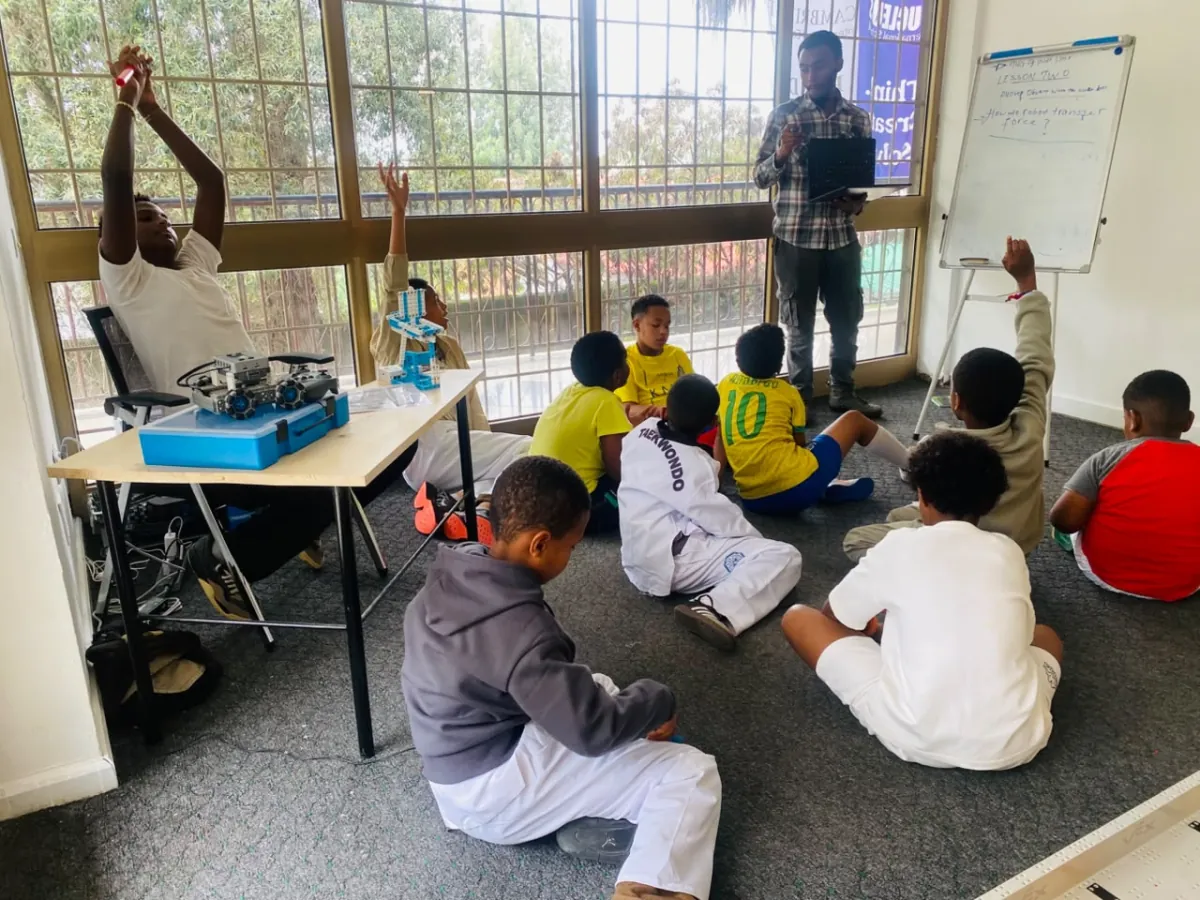
Robotics and coding for children have arrived in Addis Ababa properly. Ethio Robo runs competitions, iCog has taught tens of thousands of young people, Abugida runs holiday courses, and a growing number of schools list robotics on the prospectus. For a parent the hard part is no longer finding a class. It is telling a real one from a room with a robot kit in the corner.
We teach robotics year-round and run it every week of summer camp, so this is what it looks like when it is working, and the questions worth asking before you pay for anything.
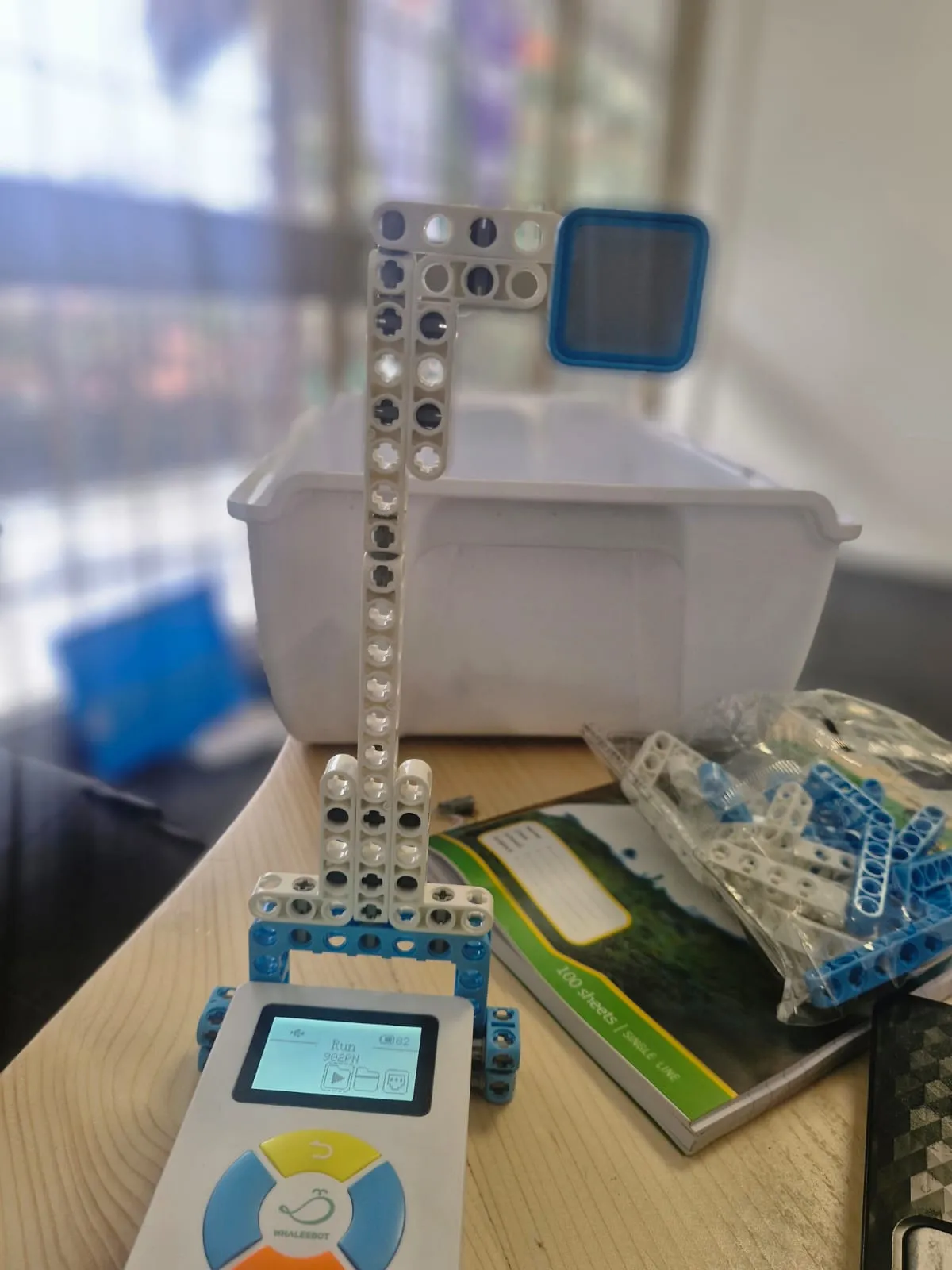
Children should build before they program
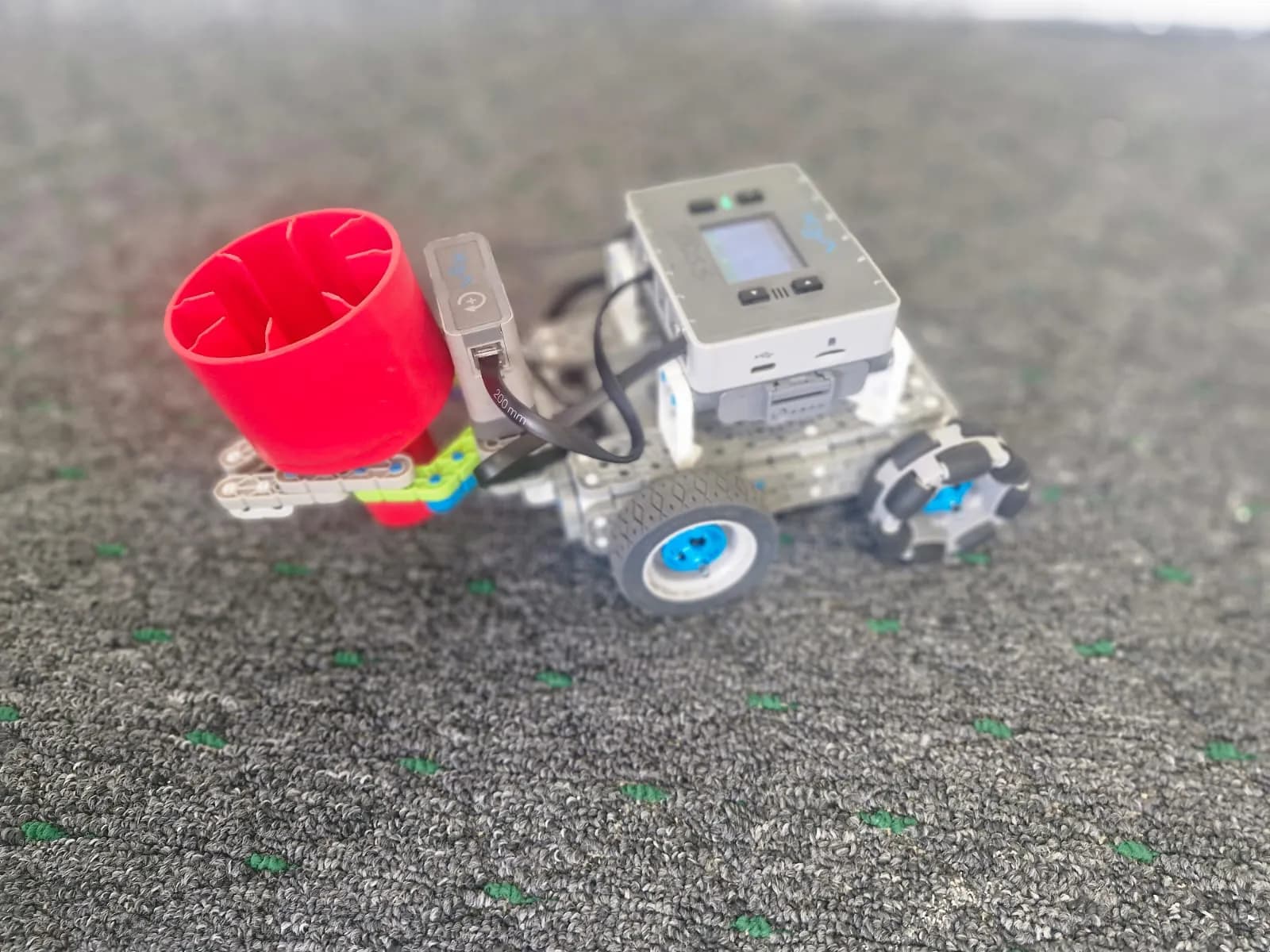
A seven-year-old who is handed a laptop and a tutorial learns to copy. A seven-year-old who builds a chassis, watches it veer left because one wheel is loose, and fixes it, learns cause and effect. Physical build first, code second, is the sequence that makes programming make sense.
Our campers start with VEX kits and construction before anything appears on a screen. The robot has to exist and misbehave before instructions mean anything.
At primary age, the code should be blocks, not typing
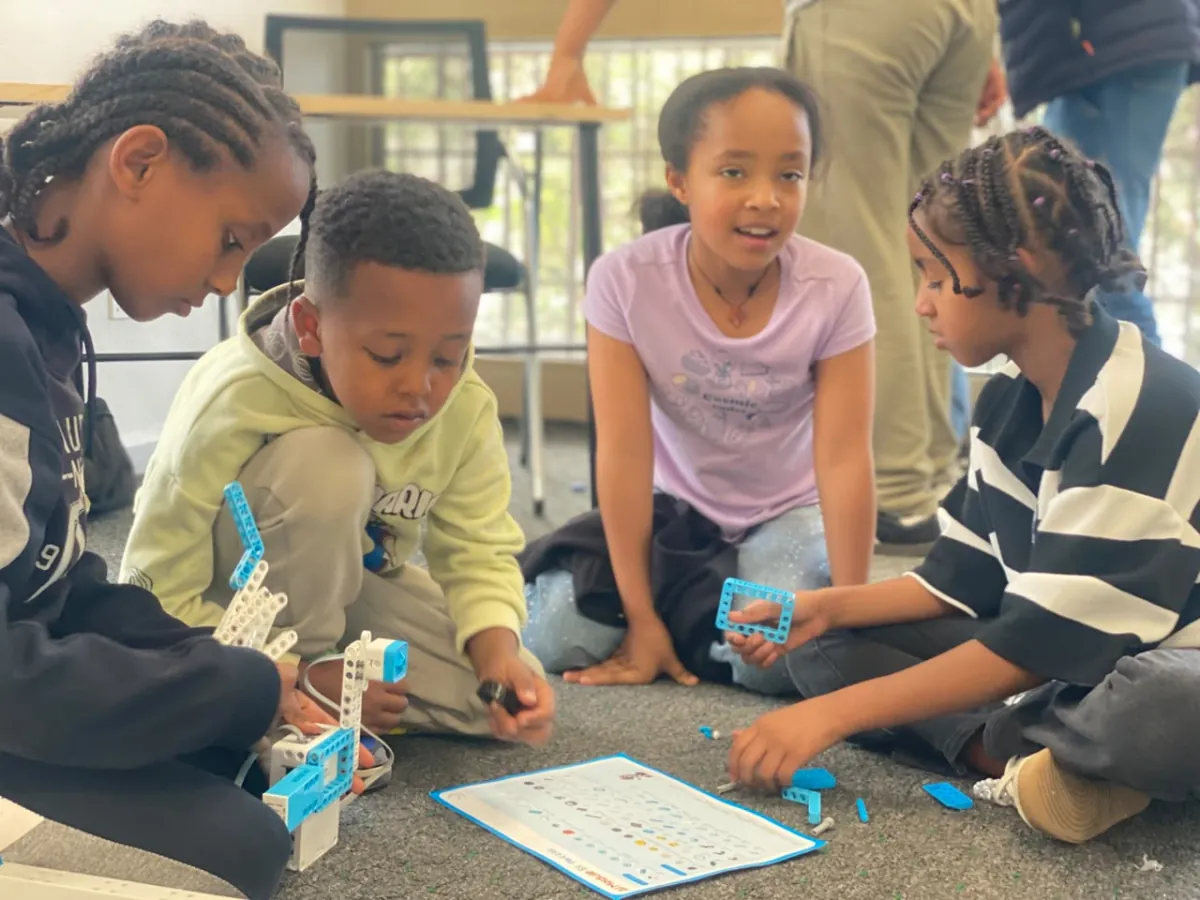
Block-based programming lets a child express a real algorithm, a sequence, a loop, a condition, without losing the idea inside a typing error. That matters at 6 to 12. Text languages come later, and they come easily to a child who already understands sequence and debugging.
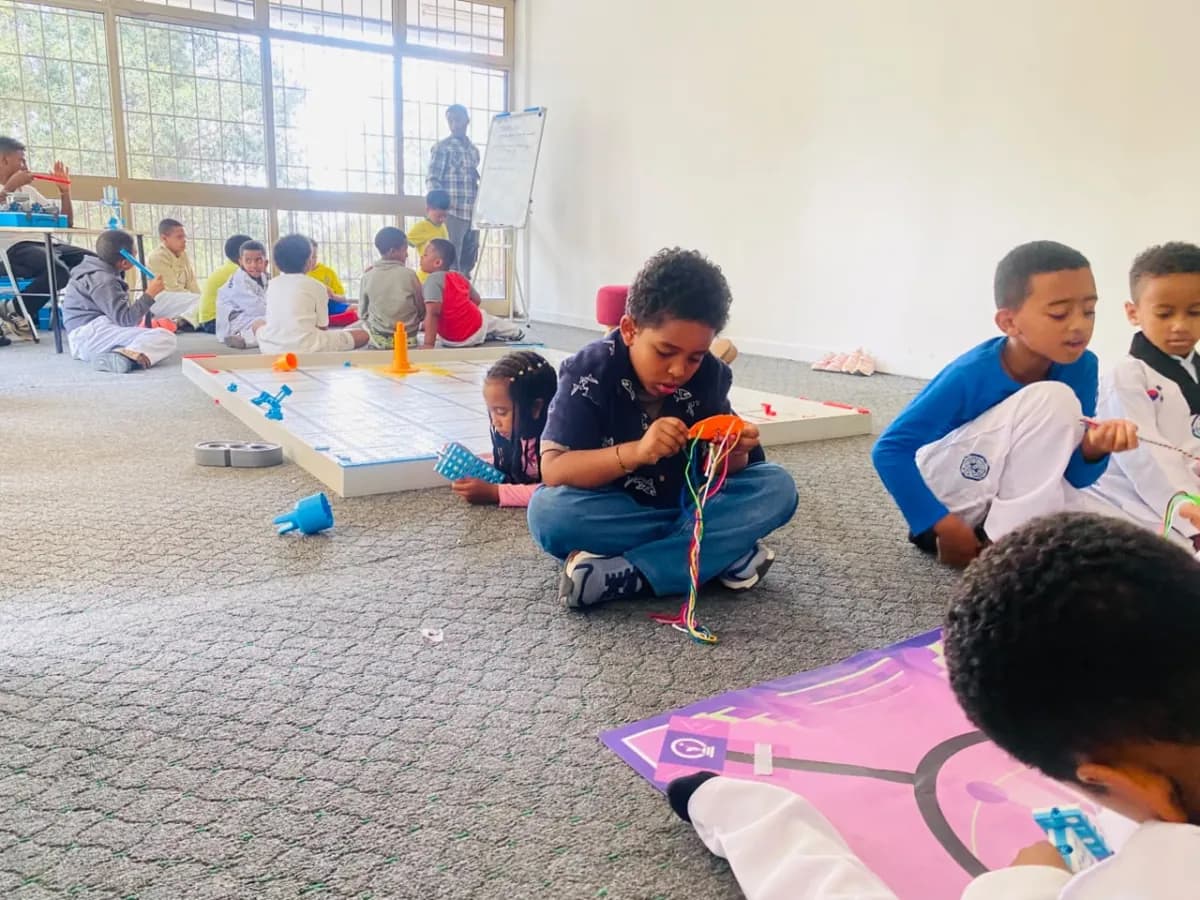
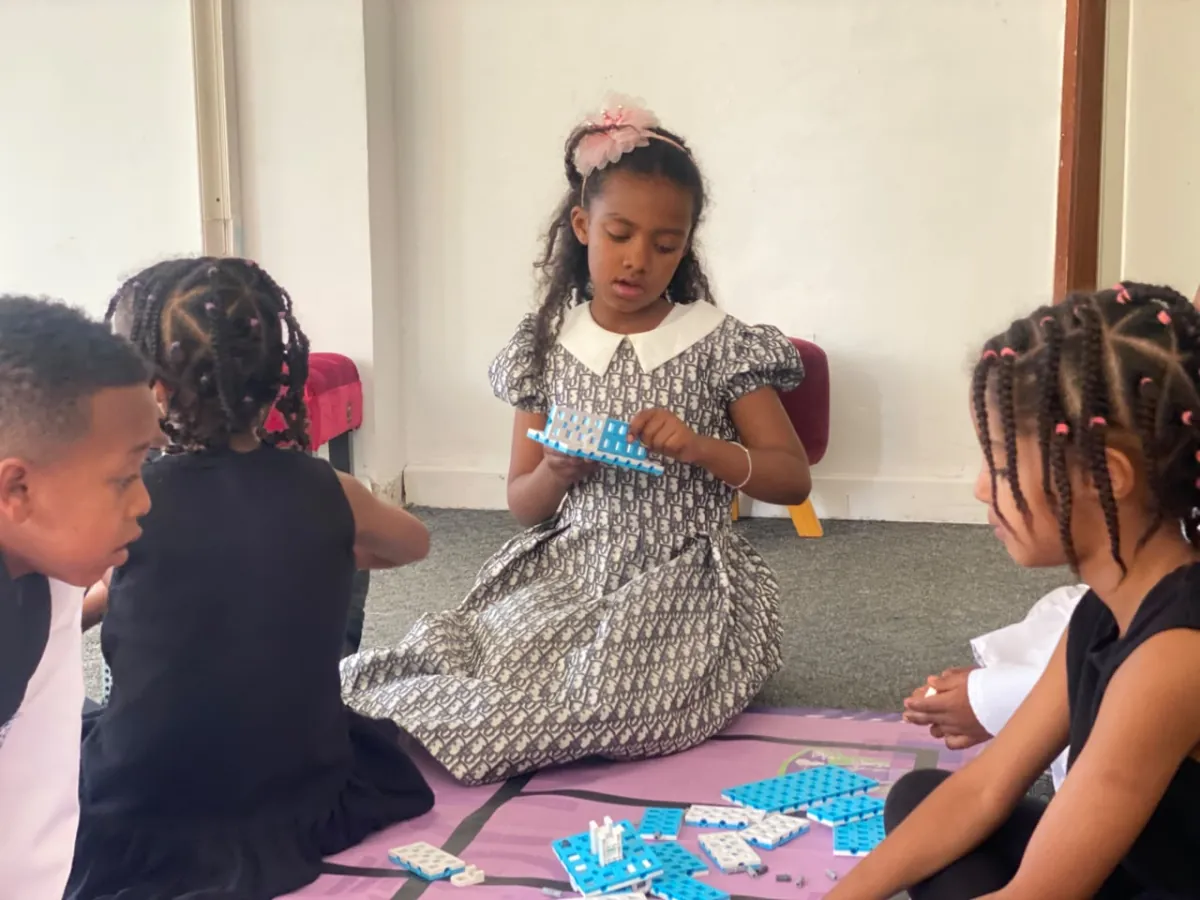
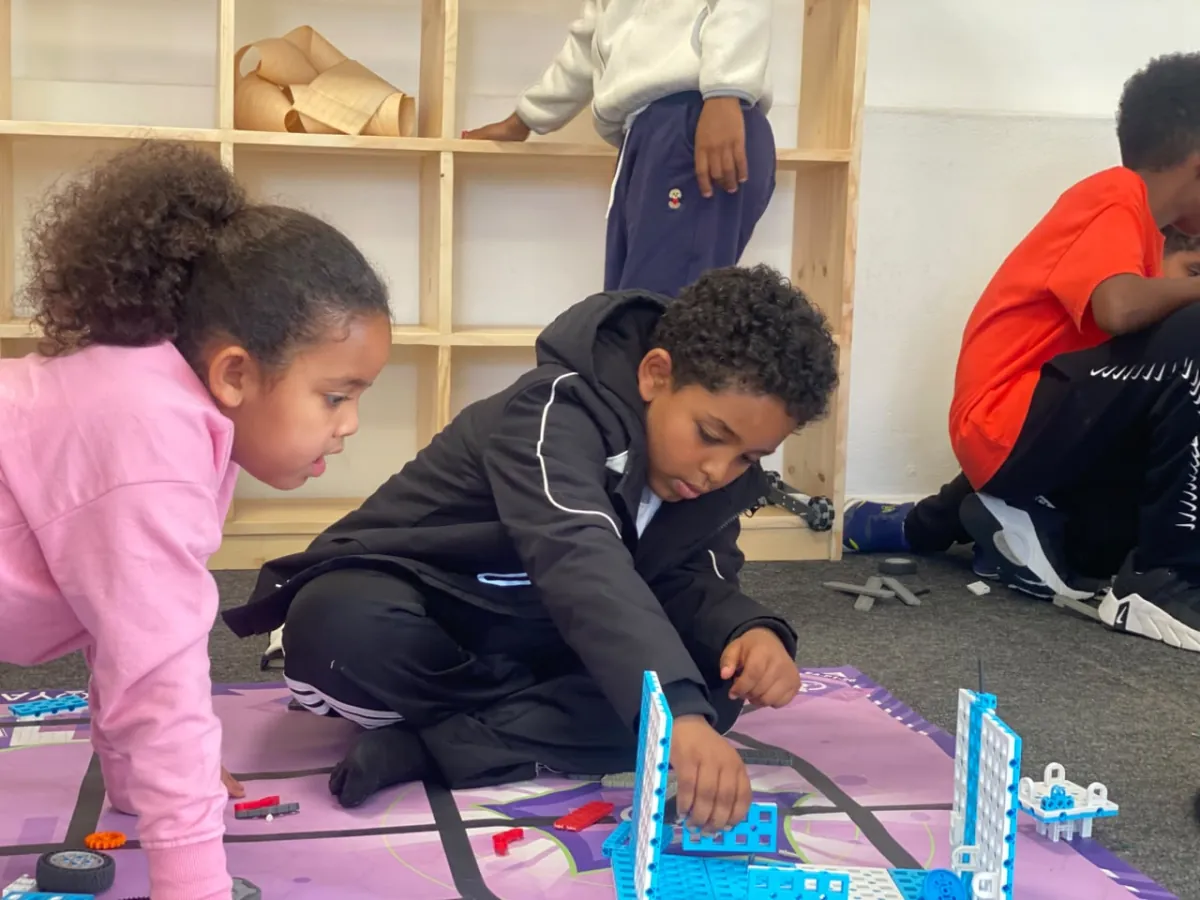
The photograph below is the moment that matters: a camper explaining her sequence to another child. If a class never produces that, it is not teaching computational thinking, it is supervising a toy.
What to ask before you enrol your child
Five questions that separate a real robotics programme from a marketing line:
- How many children per kit? One kit shared by eight children means six of them watched.
- Who teaches it, and what else do they teach? Ask whether the instructor does this for a living or is a holiday hire.
- What does a child take home in writing or in code at the end? Ask to see last term’s work.
- Is there debugging? If nothing ever breaks in the lesson, nothing is being learned.
- What happens after the holiday course ends? A one-off week rarely sticks unless something continues it.
Where this fits at Nucleus
Robotics and STEM run through the Cambridge programme at our Vatican campus from the early years to Grade 8, and through every week of summer camp at Mekanisa and Vatican. Children aged 4 to 14 build, program, break and fix, with a specialist in the room rather than a rota of helpers.
If you want to see it rather than read about it, book a visit and watch a session.