
parent resources
How to Teach Critical Thinking and Problem Solving to Children in Ethiopia
Ethiopian classrooms reward memorisation, and it shows on the morning after graduation. Here is what critical thinking actually looks like at primary age, how to tell whether a school teaches it, and what parents can do at home.

Ask most Ethiopian parents what they want from school and the answer is some version of a good future. Ask what the school actually measures and the answer is almost always marks. Those two things are not the same, and the gap between them shows up years later on one specific morning.
A young person graduates. The family celebrates, and they should. The next day they wake up with no idea what to do with their life. It is one of the most common experiences in Ethiopian households, and it is usually blamed on the job market. A large part of it starts much earlier, in a classroom that only ever asked for the right answer.
What critical thinking actually means at primary age
It is not debating club and it is not philosophy. At six to thirteen it is much more ordinary than that, and much easier to spot:
- The child can explain how they got an answer, not only what the answer was.
- They notice when something does not make sense and say so.
- They can hold two options and give a reason for choosing one.
- When their first attempt fails they change something and try again, instead of waiting to be rescued.
- They can look at a real situation, in the classroom or on their street, and suggest what might fix it.
Every one of those is a habit, which means it is trainable. It also means it is losable: a child asked only to reproduce material for long enough will stop doing any of it.
Why memorisation still dominates, and what it costs
Memorisation is not stupid. It is efficient, it is easy to mark fairly, and it produces results that look excellent on a report card. In a system with large classes and high-stakes exams, it is the rational thing for a school to optimise.
The cost is invisible until it is not. A student can score highly for twelve years without ever being asked to make a decision, design something, or defend a position. They arrive at adulthood with a strong record and no practice at choosing. That is the confused graduate, and it is a training gap rather than a character flaw.
How to tell whether a school really teaches it
Any school will say it teaches critical thinking. These questions separate the ones that do:
- Ask to see work where children got it wrong first. A school that only displays perfect work is not letting anyone struggle.
- Ask what happens when a child gives a wrong answer in class. If the answer is "the teacher corrects it", nothing is being built.
- Ask for an example of an assignment with more than one acceptable answer.
- Ask what children make, not what they learn. Making forces decisions; learning alone does not.
- Sit in on a lesson if they will let you, and count how many questions the children ask versus the teacher.
Breadth is the strategy, not the decoration
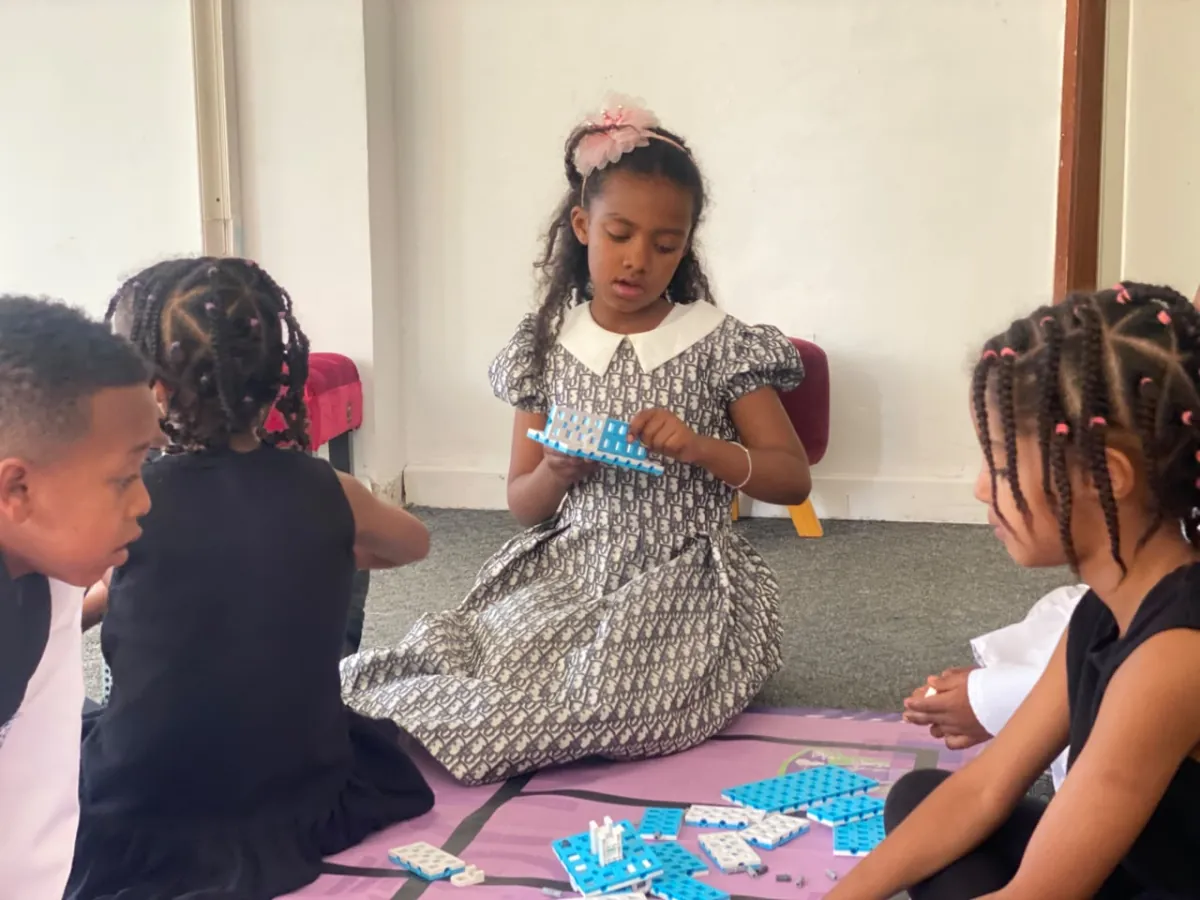
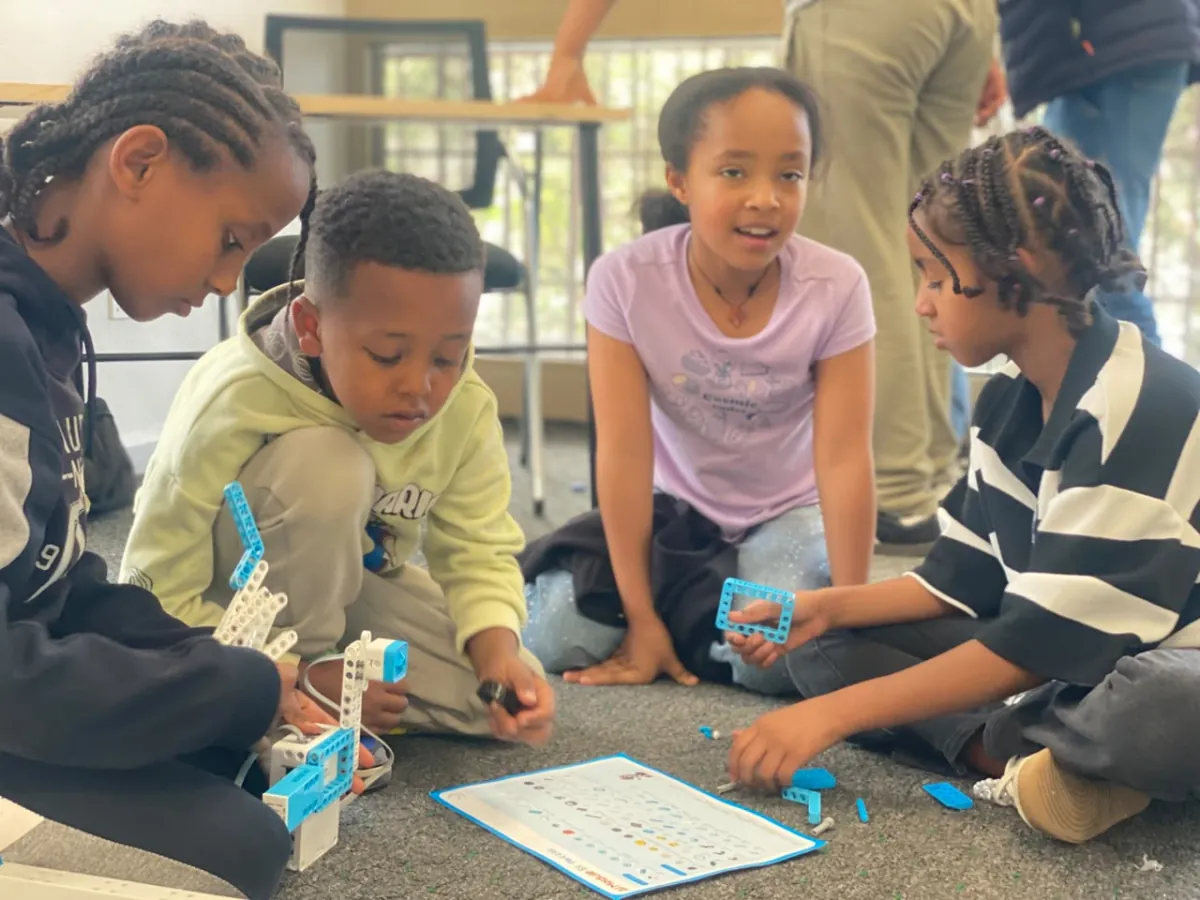
Parents often read robotics, music, sport and agriculture as extras that justify a fee. Used properly they are the opposite. Each one is a domain where a child meets a real problem with a real consequence: the robot drives into a wall, the plant dies, the chord will not ring, the team loses.
Nobody can say which jobs will exist when a six-year-old turns twenty-five. When the destination is genuinely unknown, range is the safer bet than early specialisation. A child who has been bad at several things and got better at them has learned the one transferable skill: how to start from not knowing.
What parents can do at home, for free
None of this needs equipment. It needs a change in the questions you ask:
- Replace "what did you get?" with "how did you work it out?" at the end of the school day.
- When they ask you a question you could answer instantly, ask what they think first.
- Let small things fail. A collapsed project they rebuild teaches more than one you quietly fix at midnight.
- Give real household problems to solve: how to fit everything in the car, how to make the budget stretch, how to organise the shelves.
- Ask "what would you do about it?" whenever they complain about something in the neighbourhood.
It feels slower. It is slower. It is also the difference between a child who can answer and a child who can decide.
How this works at Nucleus
Nucleus follows the Cambridge pathway from age 2 through Grade 8 at Vatican, near Mekanisa in Addis Ababa, and the reason we chose it is that it rewards understanding over recall. Around it sit robotics and STEM, agriculture and animal care, music, sport and the arts, each one another chance for a child to meet a problem that is genuinely theirs to solve.
Our teachers are trained on this directly rather than by memo. The founders themselves run the session on why the school exists. If you want to see what it looks like in an ordinary lesson, come and visit on a normal school day.