
academics
What the Best STEM Programmes for Kids Have in Common (and How to Spot a Weak One)
Almost every school in Addis Ababa now says it teaches STEM. Here is what the research says a strong STEM programme for children actually does, the engineering design cycle at its heart, why it matters in Ethiopia now, and seven questions that expose a weak one.
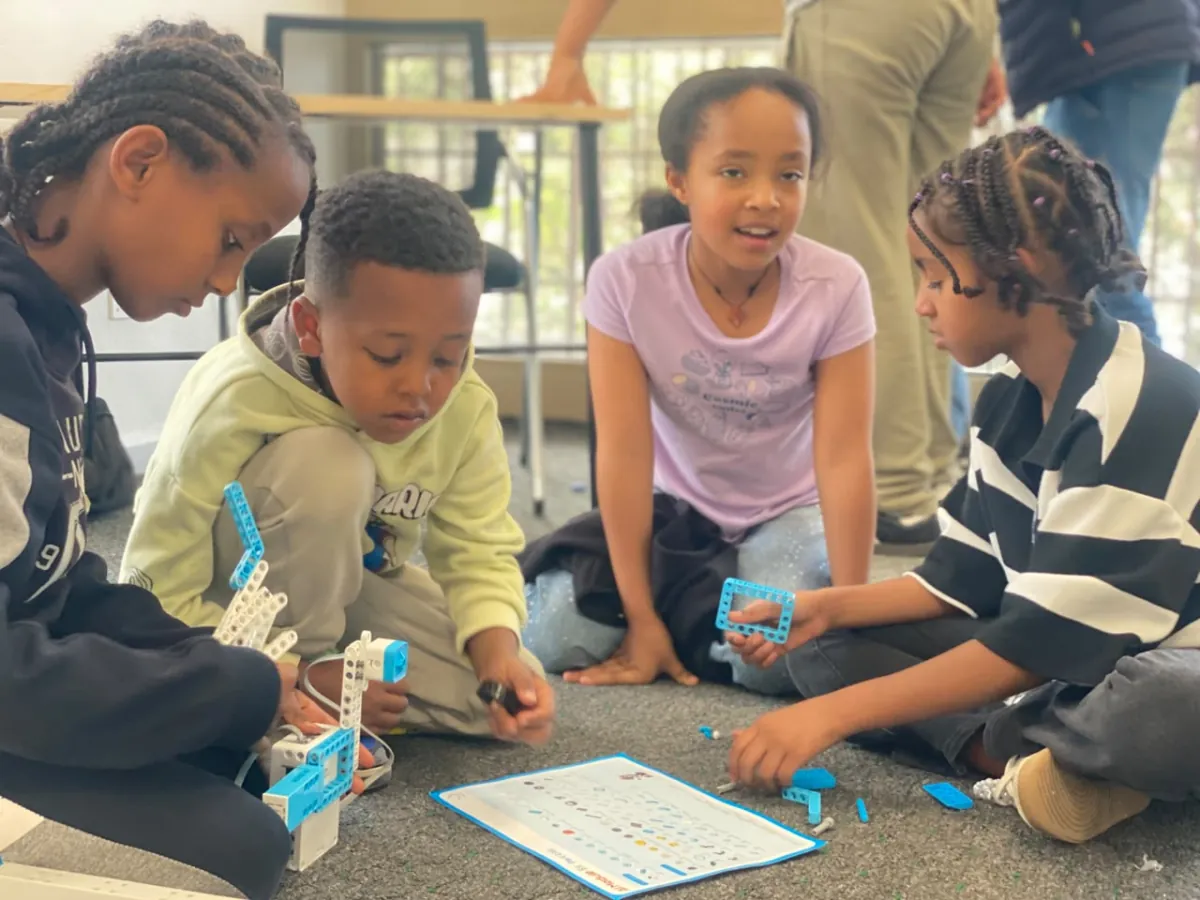
STEM, short for science, technology, engineering and mathematics, has become the word every school brochure in Addis Ababa needs. Some schools mean a real programme taught every week by trained teachers. Some mean a robot kit in a cupboard that comes out for open day.
Here is what the best STEM programmes for children have in common, what the evidence says about why they work, and how to tell, in one visit, which kind you are looking at.
Why STEM matters more in Ethiopia now
The global picture is clear. The World Economic Forum’s Future of Jobs Report 2025, based on more than 1,000 employers, expects 170 million jobs to be created and 92 million displaced by 2030, and estimates that 39% of workers’ existing skills will be transformed or outdated. AI and big data top its list of fastest-growing skills, followed by networks and cybersecurity and technological literacy. Creative thinking is rated a core skill by 57% of employers.
Ethiopia is moving in the same direction. The Ethiopian Artificial Intelligence Institute was established in 2020 and a National AI Policy was finalised in 2024 (GSMA, AI in Ethiopia). The national 5 Million Ethiopian Coders initiative had 360,000 young people registered and more than 78,800 certified by December 2024 (Fana). Yet DataReportal counts only 21.7% of Ethiopians as internet users at the end of 2025. Children who grow up confident with technology will have a real head start.
Start earlier than you think
STEM is not something to start at secondary school. A landmark analysis of six long-term studies covering close to 36,000 children found that early maths skills at school entry, around age five, were the strongest predictor of later achievement, predicting later reading as well as later maths (Duncan and colleagues, 2007).
For young children, STEM looks like counting and sorting, building towers that fall down, planting seeds, pouring water and asking why. A school that only starts STEM in Grade 5 has missed the years when it does the most good.
What the best STEM programmes have in common
1. Children do the work, not the teacher
The strongest evidence for active learning comes from a large analysis in the Proceedings of the National Academy of Sciences: in university science courses, students in active learning classes scored about 6% higher on exams, and failure rates fell from 33.8% under lecturing to 21.8% (Freeman and colleagues, 2014). That study was of undergraduates, but the principle holds for children too: a STEM lesson where children watch a demonstration is not a STEM lesson.
2. It is built on the engineering design cycle
Good programmes teach children to work like engineers. NASA describes the engineering design process in six repeating steps: ask, imagine, plan, create, experiment, improve (NASA). The important word is improve. A child whose bridge collapses, works out why and builds a better one has learned more than a child who followed instructions perfectly.
3. The four letters are connected
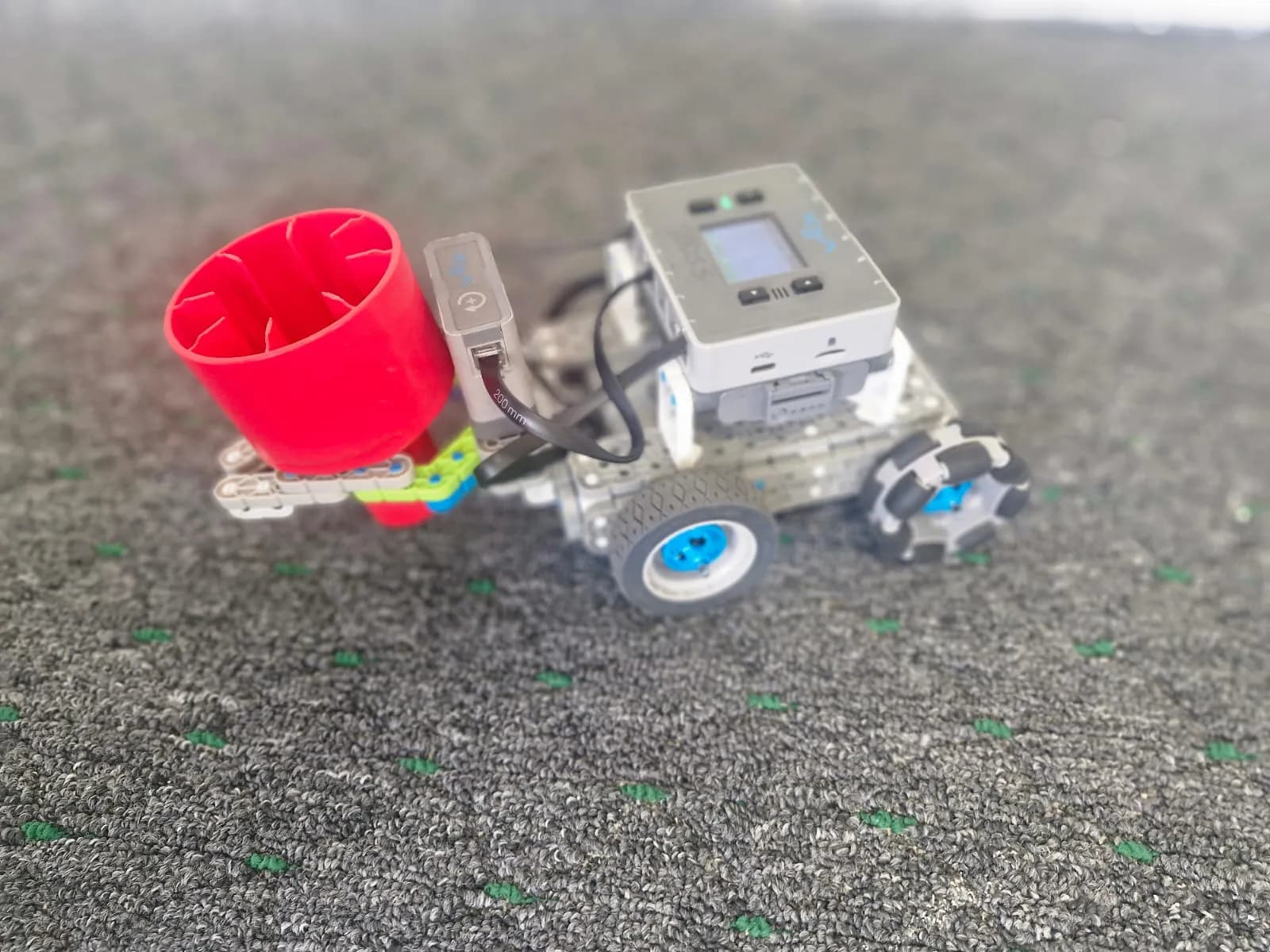
Weak programmes teach a science lesson, a separate maths lesson and occasionally a robot. Strong ones connect them: measuring and graphing plant growth, programming a robot to travel an exact distance, calculating materials for a model.
4. Children work in small teams and explain their thinking
The Education Endowment Foundation’s Teaching and Learning Toolkit, reproduced by its Australian partner, rates collaborative learning at about five months of additional progress, and finds groups of three to five with a shared goal work best, especially when every student has to explain their thinking (Evidence for Learning).
5. It happens every week
A STEM week once a year is a show. STEM skills grow like reading: little and often. Ask how many hours a week your child would spend on hands-on STEM.
6. It includes real-world and living science
Gardens, weather, water, food and local problems make science concrete. A review of school garden studies found that in two of the four studies measuring academic outcomes, gardening students scored significantly higher in science (NAAEE summary). The evidence is modest, but the pattern makes sense.
7. Girls are expected to lead, not just join
UNESCO reports that women make up only 35% of STEM graduates worldwide, a figure unchanged in ten years. The gap opens in childhood. Watch who holds the screwdriver and who answers questions on your visit.
Seven questions that expose a weak STEM programme
- How many hours a week of hands-on STEM would my child have, and from what age?
- Who teaches it, and what training do they have?
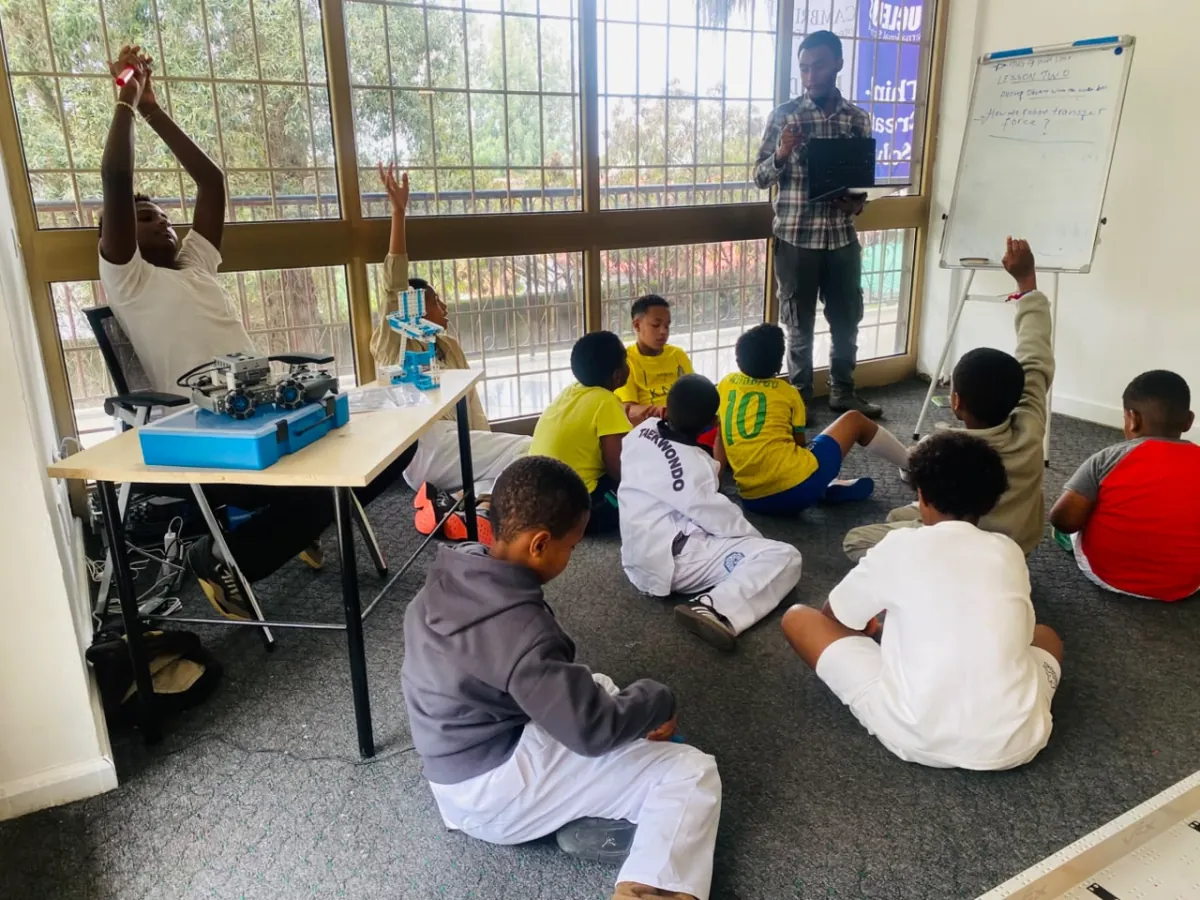
- Can I see the lab, and does it look used? Look for half-finished projects and student work.
- What did students build or investigate last month?
- How do you connect STEM with the maths and science curriculum?
- What happens when a project fails?
- How many girls take part in the robotics or coding activities?
A school with a real programme answers with specifics and probably takes you to see it. A school with a robot in a cupboard talks about equipment.
How to build STEM thinking at home
- Cook together and let your child measure, weigh and time.
- Ask "what do you think will happen?" before you try something, then "why did that happen?" after.
- Keep a box of cardboard, tape, string and bottle tops for building.
- Grow something on a balcony or windowsill and measure it weekly.
- Treat mistakes as data. "That did not work. What could we change?"
Questions parents ask about STEM education
What is STEM education for kids? STEM education teaches science, technology, engineering and mathematics through hands-on projects in which children investigate, design, build and test. The best programmes connect the four subjects, use the engineering design cycle of ask, imagine, plan, create, experiment and improve, and run every week rather than as occasional events.
At what age should children start STEM? As early as preschool. Research covering close to 36,000 children found that early maths skills at around age five were the strongest predictor of later achievement. For young children STEM means counting, building, sorting, planting and asking why.
What makes a good STEM programme? Children doing the work themselves, a design cycle that includes improving after failure, connections between science, maths and technology, small teams where every child explains their thinking, weekly practice, real-world and living science, and equal participation by girls.
Why is STEM important in Ethiopia? Ethiopia is investing in AI and digital skills, with an Artificial Intelligence Institute established in 2020, a National AI Policy finalised in 2024 and a national coding initiative for young people. Globally, the World Economic Forum names AI, big data, cybersecurity and technological literacy as the fastest-growing skills to 2030.
Is robotics the same as STEM? No. Robotics is one part of STEM that combines engineering, programming and maths. A good STEM programme also includes hands-on science, measurement, data and design. We look at robotics specifically in robotics and coding for kids in Addis Ababa.
Where this happens at Nucleus
At Nucleus, STEM is not an add-on. Our STEM labs bring science, technology, engineering and mathematics to life through practical experiments and projects, and our Artificial Intelligence Lab introduces students to AI concepts and tools in an age-appropriate, hands-on way. The agriculture lab adds living science: growing plants, studying soil and learning about food systems.
See it on our Robotics and STEM page, or come and watch a session. Call +2519 81 99 99 22, or register your child.