Inside the Nucleus Classroom · Part 1
What Happens in a Global Perspectives Lesson? Inside Years 7 to 9 at Nucleus
21 September 2026 · 7 min read
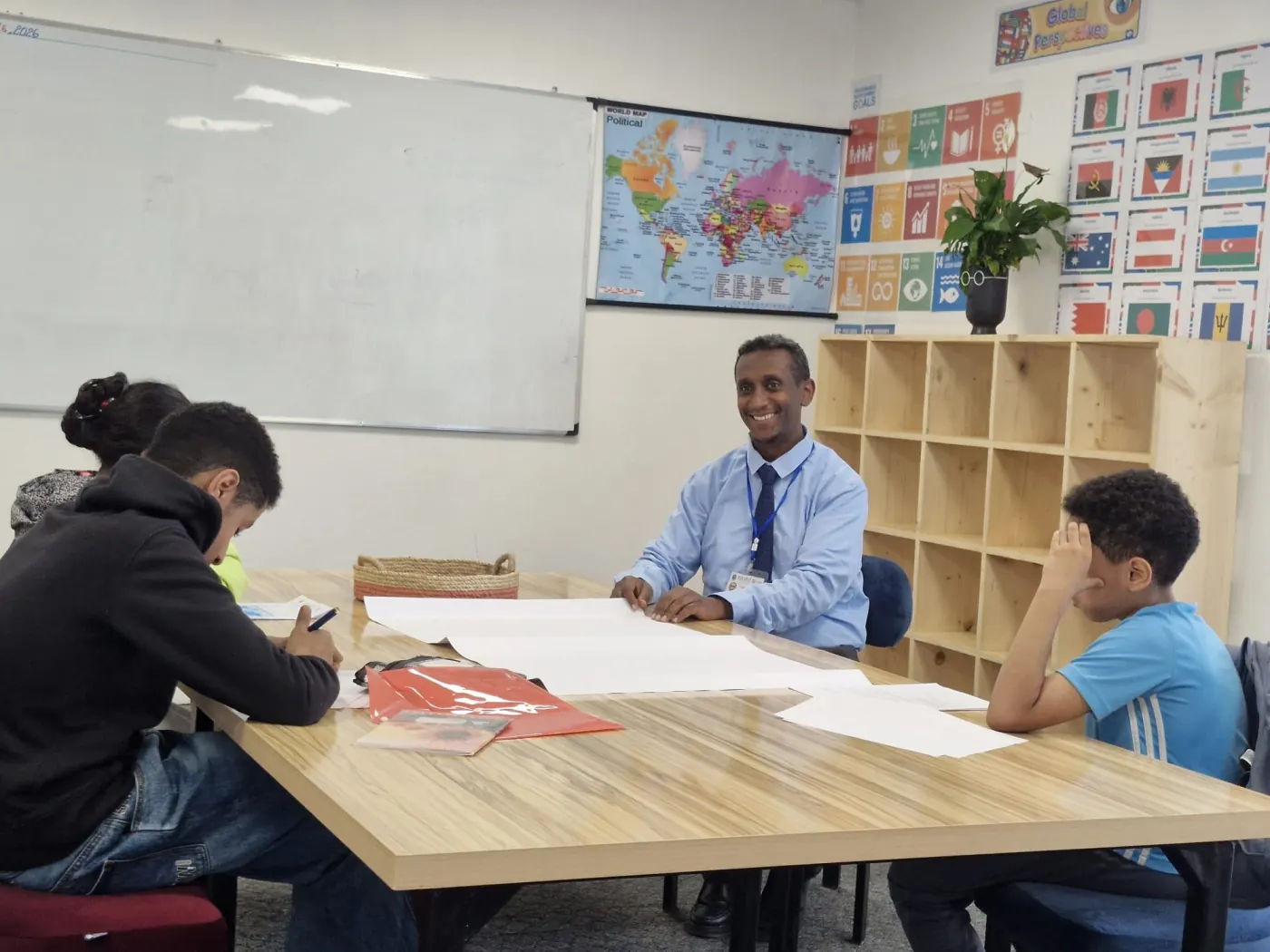
Download PDF ↓Why do people leave their home countries? Can we trust what we read online? Tilahun G/Kiristose opens his Years 7 to 9 Global Perspectives classroom in Addis Ababa, where students are taught how to think rather than what to think.
A Lesson That Begins With a Question
What if a lesson began with a question rather than an answer?
Why do people leave their home countries? How can disease be prevented? Can we trust everything we read online? Do international brands help or harm Ethiopian businesses?
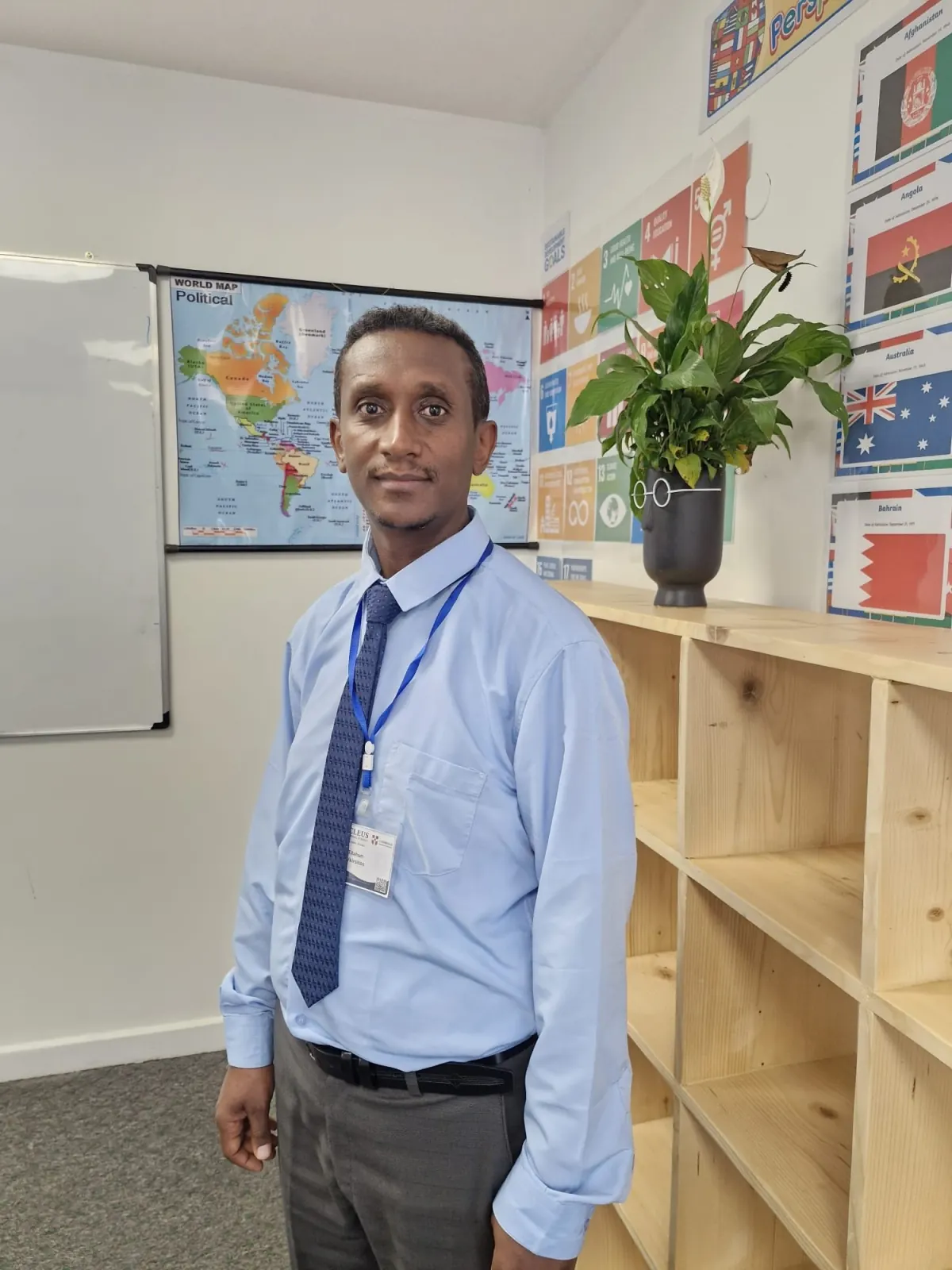
These are the kinds of questions students explore in Global Perspectives, a subject taught across all year groups at Nucleus International School. In Years 7 to 9, it is taught by Tilahun G/Kiristose.
Learning How to Think
Global Perspectives is different from many traditional subjects. Students are not simply asked to remember facts. They learn how to ask good questions, find information, examine evidence and understand different points of view.
In simple terms, the subject helps students learn how to think, not what to think. It encourages them to think critically about different opinions and to understand how and why different perspectives exist.
This is especially important today. Children receive information from websites, videos, social media, advertisements and news reports. They need to know how to separate fact from opinion and decide whether a source can be trusted.
In Global Perspectives, students learn to ask:
- Who produced this information?
- What evidence supports it?
- Is the source reliable?
- Is it fact, opinion or advertising?
- Is another point of view missing?
Inside Tilahun’s Classroom
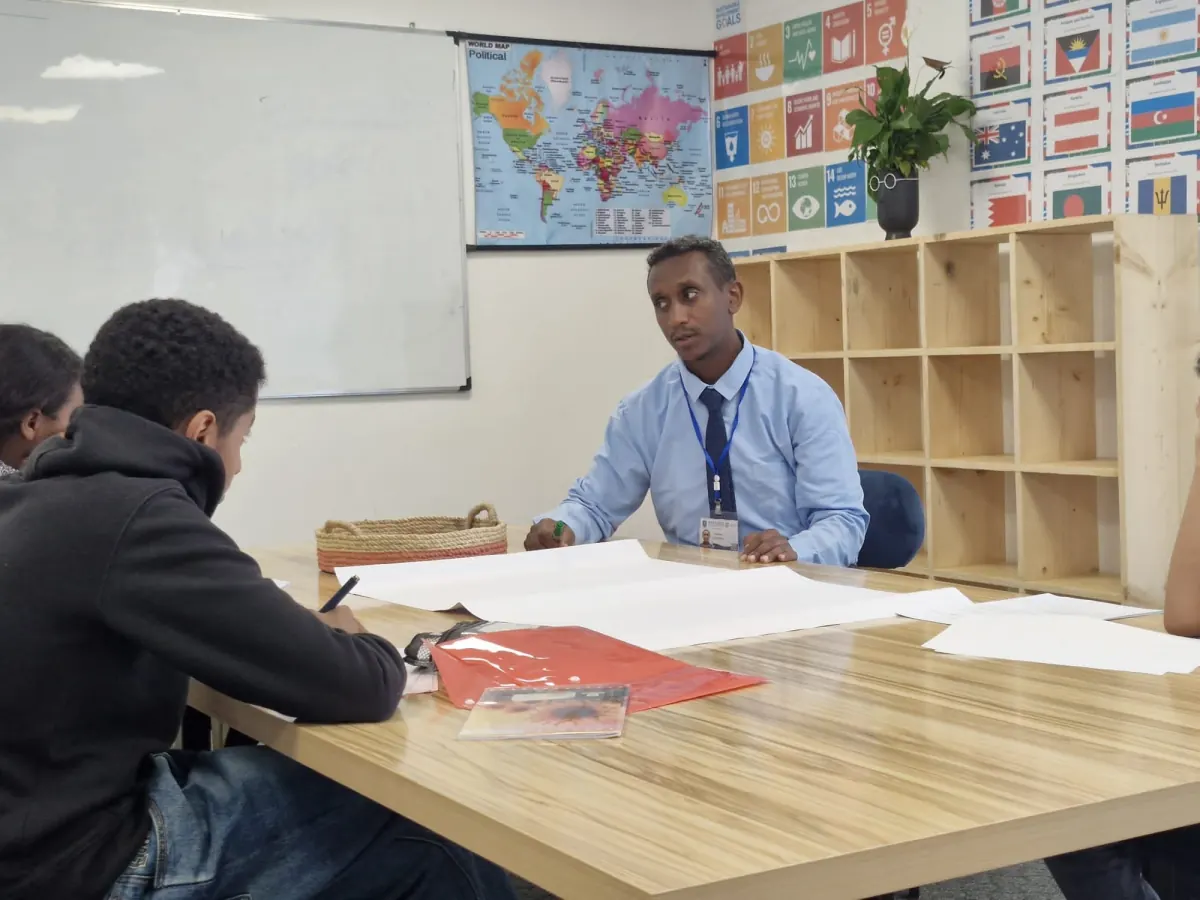
In Tilahun’s classroom, students research, discuss, compare ideas and present conclusions supported by evidence.
They develop six important skills: research, analysis, evaluation, reflection, collaboration and communication.
The work becomes more advanced as students move through the year groups. Year 7 students begin by forming research questions and distinguishing facts from opinions. By Year 9, they are expected to evaluate sources, build evidence-based arguments and suggest possible solutions.
From a Familiar Product to a Global Question
One Year 7 topic is Global Brands.
A familiar shoe, telephone or packet of food can become the starting point for a much larger investigation.
Students might ask where the product was made, who benefits from its sale, how advertising affects people’s choices and what impact international brands may have on Ethiopian businesses and workers.
They may compare local and international products, examine advertisements, conduct surveys and consider the viewpoints of consumers, workers, companies and governments.
The goal is not for every student to reach the same answer. The goal is for each student to explain their thinking and support it with reliable evidence.
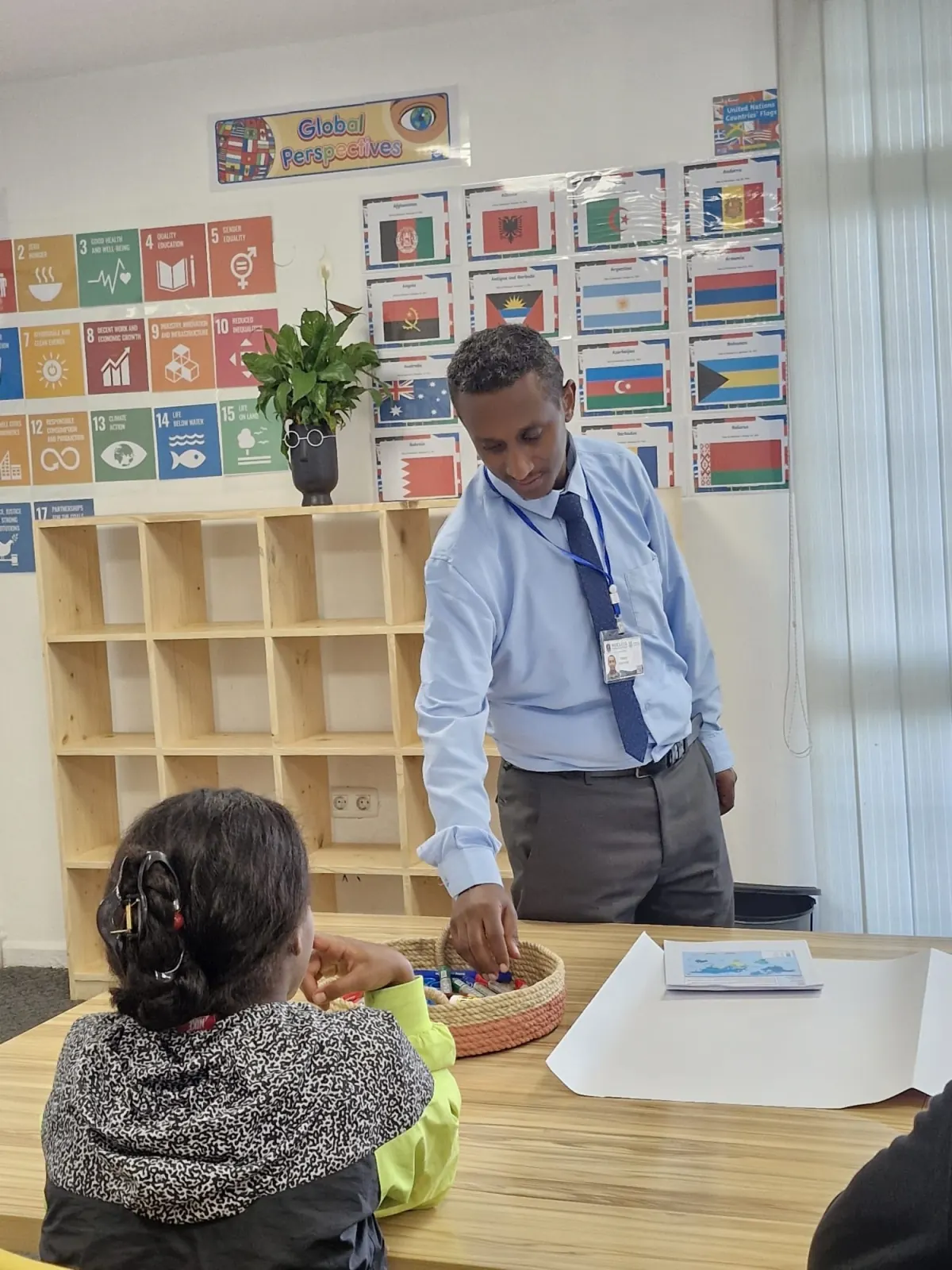
In Tilahun’s Words
“I began with something students see every day: a familiar global brand. We explored where it was made, who benefits from it and how it might affect Ethiopian businesses, workers and communities.”
“This opened a wider discussion about globalisation, trade, employment and consumer choices. Students began to understand that the same issue can look very different depending on whether you are a consumer, worker, business owner or government official.”
“They are encouraged to research, compare perspectives and develop possible responses. Most importantly, they begin to see themselves as informed and responsible young people whose choices can have an impact locally and globally.”
Connecting Ethiopia to the Wider World
Global Perspectives connects international issues with students’ everyday experiences in Ethiopia.
Students explore subjects such as migration, education, food security, disease prevention, sustainability, identity, communication and scarce resources. They also learn to understand people from different cultural and linguistic backgrounds.
These lessons help students become stronger researchers, thoughtful communicators and respectful collaborators. The skills they develop will support them in other subjects, in higher education and eventually in the workplace.
Continuing the Conversation at Home
Parents do not need specialist knowledge to support this learning. A news story, advertisement or popular product can lead to a useful family conversation.
Try asking your child:
- What evidence do you have?
- How do you know the source is reliable?
- Could another person see the issue differently?
Simple questions like these encourage curiosity, careful reasoning and independent thought, the same habits students are developing inside the Nucleus classroom.
Coming Next: Building Global Thinking in Years 1 to 6
Part Two of this feature arrives in two weeks. It explores how our youngest students begin developing curiosity, communication, teamwork and an understanding of different perspectives, long before they meet a formal research question.
Inside the Nucleus Classroom is a regular Nucleus International School feature exploring what students are learning, how they are learning and why it matters beyond the classroom. A new issue arrives every other Monday.