academics
Cambridge Primary Curriculum: Subjects, Stages and Checkpoint Explained
Cambridge Primary covers Years 1 to 6 with up to 13 subjects. Here is every subject and what it is for, how the six stages build, how Progression Tests and the Cambridge Primary Checkpoint work, and what to ask a school about each.
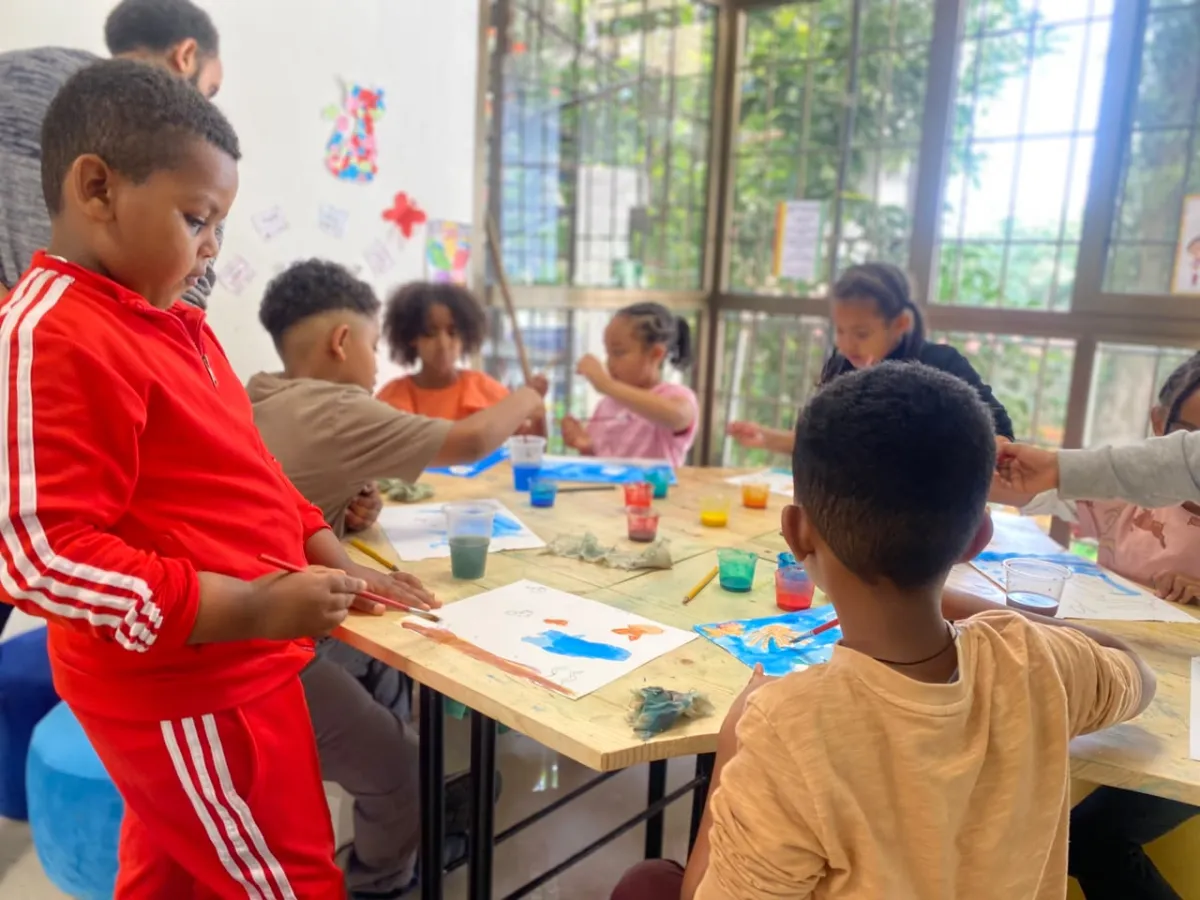
Cambridge Primary is the stage most children spend longest in: six years, from about age 5 to 11. It is also the stage where schools differ most, because Cambridge lets each school choose which of its subjects to teach and which assessments to use.
This guide lists every Cambridge Primary subject, explains how the six stages build on each other, and sets out exactly how assessment works, including the Cambridge Primary Checkpoint at the end of Year 6.
How the six stages work
Every Cambridge Primary subject has a curriculum framework divided into six stages, one per year group, each with its own learning objectives. Most frameworks then split into strands, for example number, geometry and measure, and statistics and probability in maths. Children meet the same strands every year at a harder level, which is why a gap left in Year 2 tends to show up again in Year 4.
The full frameworks are only available to registered schools, so the best person to show you the objectives for your child’s year is the class teacher. Ask them.
All 13 Cambridge Primary subjects
Cambridge offers 13 primary subjects, which schools can combine and adapt to their own context (Cambridge Primary curriculum).
The core: English, mathematics and science
- English, or English as a Second Language: reading, writing, and speaking and listening, supported by Cambridge’s phonics and handwriting scheme in the early stages.
- Mathematics: number, geometry and measure, and statistics and probability, with Thinking and Working Mathematically running through all of it (Cambridge Primary mathematics).
- Science: biology, chemistry, physics and earth and space, plus Thinking and Working Scientifically and Science in Context, which looks at how science is used in real life (Cambridge Primary science).
Thinking and the wider world
- Global Perspectives: research, analysis, evaluation, reflection, collaboration and communication, practised on real issues. We explain it fully in Cambridge Global Perspectives explained.
- Humanities: a newer subject covering history, geography and how societies work.
- Modern Foreign Language: also new, for a second or third language.
Technology
- Computing: how computers work and how to program them, from block-based coding upward. See our guide to the Cambridge computing curriculum.
- Digital Literacy: using technology safely, responsibly and well, which is a different skill from programming.
Creative, physical and personal
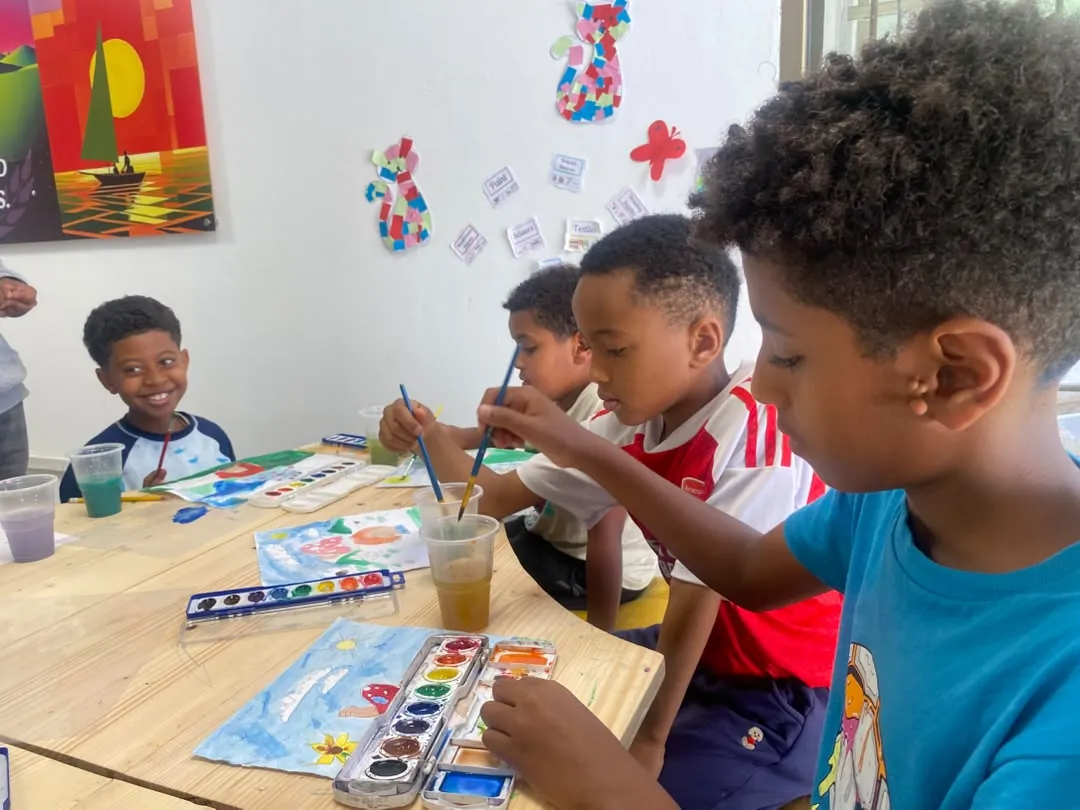
- Art and Design
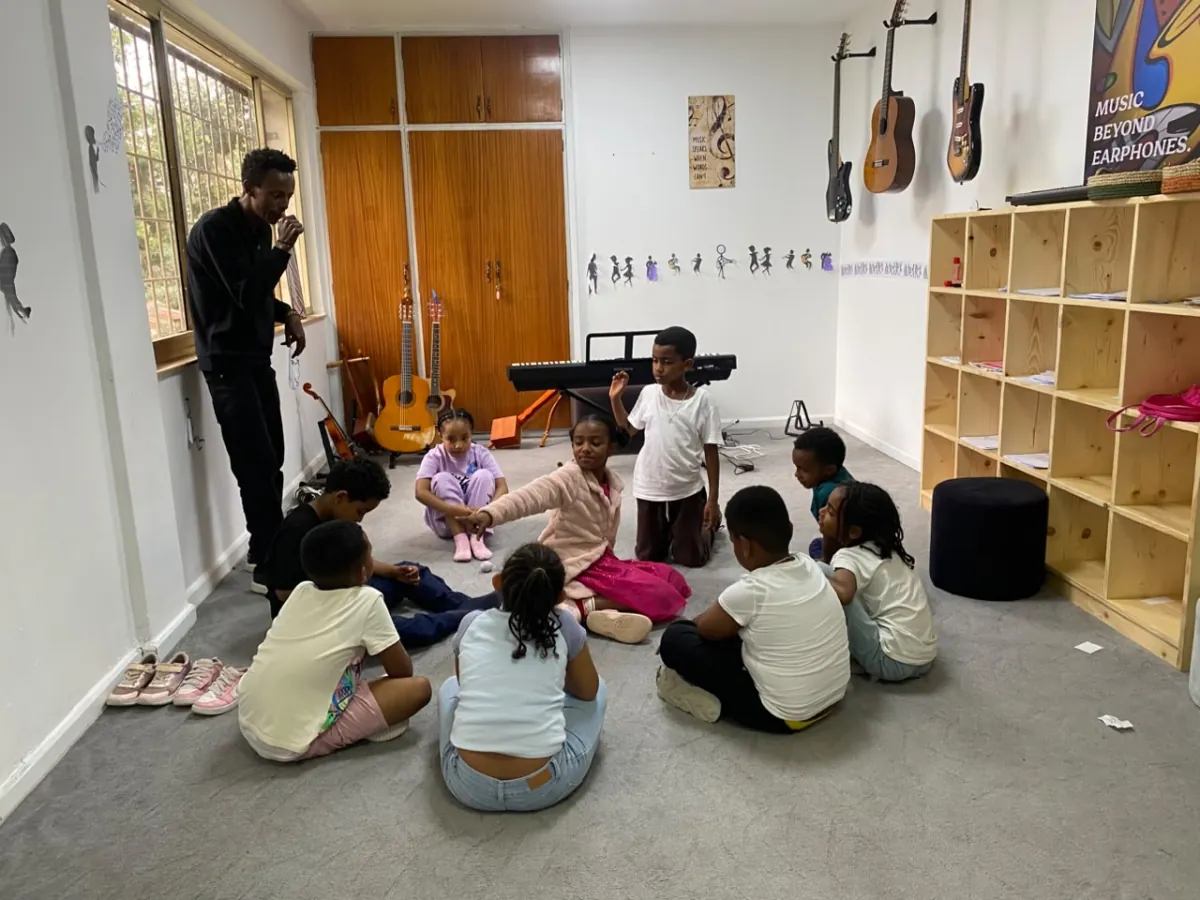
- Music
- Physical Education
- Wellbeing: emotional health, relationships and looking after yourself.
What changes from Year 1 to Year 6
- Years 1 and 2 (Stages 1 and 2): learning to read and write, number sense to 100 and beyond, observing and describing in science. Lots of hands-on work. See what children learn in Year 1.
- Years 3 and 4 (Stages 3 and 4): reading to learn rather than learning to read, times tables and written methods, planning simple fair tests in science. Progression Tests become available.
- Years 5 and 6 (Stages 5 and 6): longer writing in different styles, fractions, decimals and percentages, independent investigations, more research and presentation. The Checkpoint comes at the end of Year 6.
Across all six years, the shift is from being taught to learning independently. By Year 6 a child should be able to plan a piece of work, find information, check it and explain what they did.
How assessment works
Cambridge offers a set of optional assessments. Schools choose which to use, so ask.
Classroom assessment, every year
Teachers assess against the learning objectives through classwork, questioning and their own tests. This is what most school reports are based on.
Progression Tests, Stages 3 to 6
Short tests in English, maths and science, marked by teachers in school, usually at the end of the year. Cambridge says they show "where your child is on their learning journey, instead of just showing right or wrong answers" (Cambridge Primary assessment).
Cambridge Primary Checkpoint, end of Stage 6
Externally marked tests in English (first or second language), mathematics and science, with Global Perspectives available as a research report. Each child receives a statement of achievement, scored on a 0 to 50 scale within performance bands, and the school receives detailed feedback by strand with an international benchmark (Cambridge Primary Checkpoint).
From 2026 Checkpoint runs three times a year, in March, May and October, on dates set by Cambridge, and students must take every paper in a subject to get a result (Checkpoint FAQ). In the October 2025 series, more than 22,000 learners in 60 countries took Checkpoint tests (Cambridge).
Checkpoint is not a pass or fail exam, and it does not decide entry to Lower Secondary. Its real value is diagnostic: it tells you and the school which strands to strengthen before secondary school.
Questions to ask a school about Cambridge Primary
- Which of the 13 Cambridge Primary subjects do you teach, and which subjects come from another curriculum?
- How many lessons a week does my child get in English, maths and science?
- Do you use Progression Tests, and will I see the results?
- Do you enter students for Cambridge Primary Checkpoint?
- How do you support a child who is behind, or one who is ahead?
- Can I see a Year 6 student’s science investigation or extended writing?
Questions parents ask about Cambridge Primary
What subjects are in the Cambridge Primary curriculum? Cambridge Primary offers 13 subjects: English, English as a Second Language, Mathematics, Science, Global Perspectives, Computing, Digital Literacy, Art and Design, Music, Physical Education, Wellbeing, Humanities and Modern Foreign Language. English, mathematics and science are the core subjects, and schools choose which others to teach.
What age is Cambridge Primary? Cambridge Primary is typically for children aged 5 to 11, across six stages that match Years 1 to 6.
What is the Cambridge Primary Checkpoint? It is an optional set of tests taken at the end of Stage 6 in English, mathematics and science, with Global Perspectives available. The tests are marked externally by Cambridge, results are reported on a 0 to 50 scale, and schools receive detailed feedback against an international benchmark. From 2026 it runs in March, May and October.
Is the Cambridge Primary Checkpoint compulsory? No. Cambridge describes its primary assessments as optional, and each school decides whether to enter students. Many use it as a check on progress before Lower Secondary.
What comes after Cambridge Primary? Cambridge Lower Secondary, typically for ages 11 to 14 across Stages 7 to 9, followed by Cambridge IGCSE at about 14 to 16.
Where this happens at Nucleus
Nucleus is registered with Cambridge International for Cambridge Primary, and our primary years are taught at the Sarbet Vatican campus, 50 metres behind the Embassy of Indonesia. English, mathematics and science sit at the centre, taught through inquiry and hands-on projects, alongside Global Perspectives across all year groups, music, art, sport, the STEM and AI labs, and the agriculture lab.
To see a primary class in session, call +2519 81 99 99 22, or register for Grade 1 to 8.